A Designer's Take on the 'Hot Mess' Momlife Embroidery Design
First Impression: Real, Relatable, and Ready for Stitching
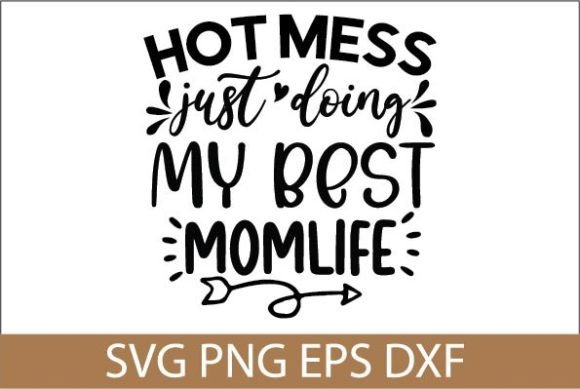
When I first opened the Hot Mess Just Doing My Best Momlife SVG, my immediate reaction was a smile. It’s a design that feels authentic, not performative. The playful, slightly self-deprecating wording taps into a shared experience, and the typography usually has a friendly, handwritten feel that lends itself perfectly to the handmade aesthetic. This isn’t a stiff, corporate graphic; it’s a visual personality. For embroidery, that means it’s destined for projects where personality and connection are the goal—personalized gifts, boutique items, or that special piece you make for a friend who truly needs the laugh.
The layout tends to be straightforward, focusing on the text as the hero. This is a huge advantage for us as embroidery designers. A clean, uncluttered design translates beautifully into stitches, allowing the sentiment to shine without visual noise competing for attention. The detail level is typically balanced—enough character to feel unique, but not so ornate that it becomes a dense, time-consuming stitch-out on smaller items.
The Perfect Project Match: Where This Design Belongs
In my studio, I mentally place a new design onto various products to see where it fits. The Hot Mess Just Doing My Best Momlife SVG naturally gravitates towards cozy, comforting, or utilitarian items. Imagine it stitched onto a soft, washed-cotton tote bag for a mom carrying everything from snacks to spare pacifiers. Picture it on the cuff of a relaxed-fit sweatshirt, a subtle declaration for the wearer. It feels perfect on a kitchen towel or apron—a humorous nod to the chaos of daily life right where the chaos often happens.
For baby embroidery or nursery decor, consider it on a blanket or a simple wall hoop; it’s a sweet, honest message from parent to child (or from one parent to another as a gift). As an embroidered patch, it could be applied to a backpack or a jeans jacket, adding a customizable touch. For small shop product lines, this design slots easily into holiday gift categories like Mother’s Day or Christmas, or as a year-round bestseller for Etsy sellers catering to the parenting community.
Thinking Through a Real Client Scenario
Let’s say a client requests a custom embroidered tote bag as a gift for her sister, a new mom. This design is a prime candidate. I’d consider a mid-weight canvas fabric for durability. The straightforward lettering means I can confidently choose a medium hoop size, ensuring clean satin stitches for the text without worrying about tiny, fragile details distorting. I’d select thread colors that pop against the bag’s base color but still feel warm—perhaps a deep burgundy or a soft teal. The result isn’t just a bag; it’s a shared joke, a token of solidarity, and a high-quality handmade product that carries meaning. That’s the value this design adds.
Performance on the Machine: Practical Embroidery Considerations
A design’s promise on screen needs to match its performance in stitches. Based on the file format description—SVG, PNG, EPS, DXF—and the note about it being a 100% vector file, I expect clean scaling, which is crucial. This means I can resize it for a baby clothes label without losing definition or enlarge it for a pillow cover centerpiece without worrying about pixelation. The “easy to color change” attribute suggests the design is well-separated, allowing me to easily reassign thread colors in my software to match my project palette.
However, stitch density is always a key check. While the description doesn’t provide specific counts, designs with this style often have balanced density. It’s wise to test the design on scrap fabric first, especially if you plan to stitch on stretchy fabric like t-shirts or on thin fabric like certain linens. Proper stabilizer is non-negotiable here to prevent puckering and maintain the text’s crispness.
Where to Exercise a Bit of Caution
Every design has its ideal applications. For the Hot Mess design, I’d be mindful on very small hoop sizes. If the text is reduced too much, the lettering’s character could become lost or the stitch density could feel too tight. Textured fabrics like thick sweaters might require adjustments to ensure clarity. Also, on dark fabric, the visual appeal hinges entirely on thread color contrast; a light or bright thread is essential. When stitching on curved surfaces like caps, the layout’s width needs to be checked against the cap’s curvature to avoid distortion.
For products destined for frequent washing, like baby items or kitchen towels, using quality thread and securing stitches well becomes even more important to ensure the message lasts as long as the sentiment does.
Beyond the Stitches: Impact on Your Craft Business
Using a design like this in your craft business goes beyond just the stitch-out. It affects customer trust and buyer engagement. When a product carries a relatable, well-executed design, it feels professional and thoughtful. It enhances the handmade presentation, showing you’ve chosen content that resonates, not just a random graphic. For digital product sellers, offering this as part of a commercial embroidery file collection adds value to your shop by catering to a clear, emotional niche.
The design’s visual appeal in printable mockups for your Etsy listings or digital product previews is strong—its clear sentiment helps potential buyers instantly imagine it on a finished product. This boosts brand consistency if your shop focuses on humorous, heartfelt, or parenting-themed items.
Essential Designer Notes Before You Hoop
Here’s my quick checklist before running this file for a real embroidery project or listing it as a design asset:
- Always test on scrap fabric of the same type as your final project.
- Check thread color contrast by previewing it in your software on both light and dark backgrounds.
- Review the stitch density and detail level in your embroidery software at your intended size.
- Confirm the hoop size required fits your machine and your product.
- Inspect any small details or corners in the design file to ensure they will stitch cleanly.
- If creating products for sale, confirm licensing for the file regarding commercial embroidery or selling finished products.
- Use appropriate stabilizer for your fabric choice to preserve stitching clarity.
The Final Take: A Design Built for Real Connection
The Hot Mess Just Doing My Best Momlife SVG isn’t just a graphic; it’s a tool for creating connection. From a practical embroidery designer standpoint, its clean, scalable vector nature and relatable theme make it a versatile and reliable choice. It fits into the workflow of creating custom apparel, heartfelt personalized gifts, and marketable small shop merchandise. By approaching it with the practical considerations of fabric, stitch, and context, you can transform this digital file into a finished product that carries both quality and meaning—which, in the end, is what the best embroidery projects are all about.