A Real Designer’s Take on Dog Hair Don't Care SVG
When a new embroidery design file lands in my inbox, I don't just look at the preview. I think about how it will live in the real world—on fabric, under a hoop, and in the hands of a customer. The Dog Hair Don't Care SVG design immediately struck me as one with a specific, and wonderful, personality. It’s not just a graphic; it’s a statement ready to be stitched.
The Immediate Mood: Unapologetically Relatable
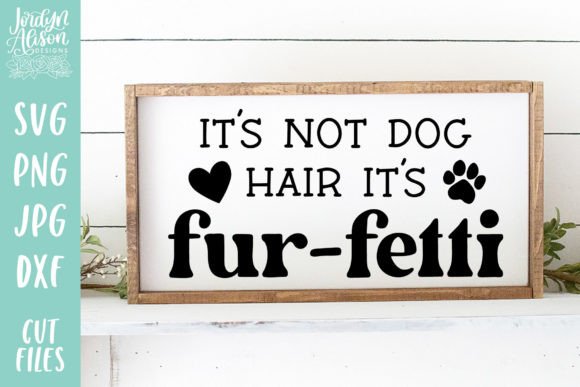
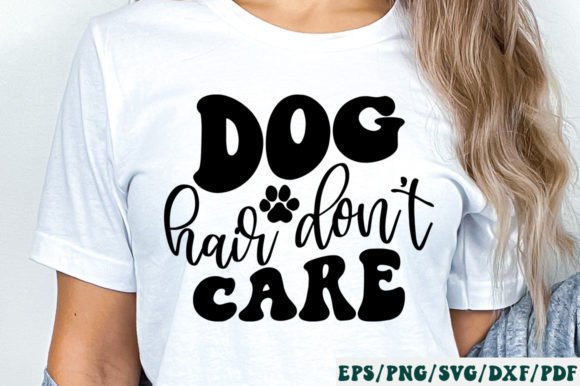
First impressions matter, both for me as a designer and for the eventual buyer of a finished product. This design’s charm lies in its blunt, friendly honesty. The phrase “Dog Hair Don't Care” paired with a canine silhouette creates an instant connection for dog lovers. It’s playful, a little defiant, and completely relatable. The layout feels balanced, with the text taking clear prominence. This isn't a overly intricate, detailed scene; it’s a bold declaration. That visual personality tells me it belongs on projects where the message is the star—think a standout embroidered patch on a denim jacket, or a crisp satin stitch fill on the center of a tote bag.
Where This Design Thrives in Real Projects
Let’s get practical. I imagined a specific scenario: a custom embroidered sweatshirt for a boutique client’s “Dog Mom” collection. Using this as an embroidery file, the clean shapes and clear lettering would translate beautifully into stitches. On a mid-weight cotton sweatshirt, with proper stabilizer, the design would maintain excellent stitching clarity. The value here is in its universal appeal. It’s perfect for personalized gifts—a tea towel for a friend who fosters pups, a pillow cover for a newly adopted dog’s owner. As a small shop product, it could anchor a whole line: aprons for groomers, caps for walkers, or simple patches sold at craft fairs.
I also considered it for baby embroidery on a nursery blanket—a sweet nod to the family pet. On darker fabrics, with careful thread color contrast planning (a bright white or cream fill stitch for the text, perhaps), it would pop. The simplicity means it scales well. It could be charmingly small on a kitchen towel corner or boldly large on a blanket. This adaptability is a huge plus for craft business owners who need versatile design assets.
Caution Zones: Where to Apply Designer Judgment
Every design has its ideal applications and its trickier ones. For Dog Hair Don't Care SVG, the primary caution revolves around scale and fabric texture. While the clean lines are great, very small hoop sizes might compromise the clarity of the lettering, especially if the chosen stitch type is too dense. Tiny, intricate serifs on fonts can get lost in embroidery. My advice? Always test on scrap fabric first.
Textured fabrics like boucle or stretchy fabrics like performance tees require extra attention to stabilizer to keep that crisp look. Embroidering on curved surfaces like caps demands checking how the design’s layout flows on that shape—the long text line might need slight adjustments in your software. Also, for products destined for frequent washing, like baby clothes or aprons, consider a robust fill stitch for the main elements to ensure longevity. The design’s strength is its message, and blurred, frayed lettering after washes would undermine that.
How This Design Elevates Your Crafted Product
Beyond the stitch itself, a design affects perception. Using this file on a handmade product conveys a specific, confident mood. It builds customer trust because it feels authentic—it speaks directly to a shared experience (the ubiquitous dog hair on everything!). That authenticity boosts giftability and recognition. For Etsy sellers and apparel decorators, it offers a ready-made concept that’s easy to market. In a printable mockup for your online shop, it clearly communicates the final product’s vibe, engaging buyers quickly.
For commercial embroidery projects, like a series of tote bags for a pet boutique, it provides brand consistency. It’s professional in its execution but friendly in its content. This balance is gold for creative entrepreneurs. It feels designed, not just typed, which elevates the perceived value of the finished item.
Practical Notes From the Hoop
Before you run this file to your machine, here’s my workflow checklist, born from years of turning graphics into stitches.
- Test, Always. Run a stitch-out on a scrap of your target fabric. Check for thread tension issues, especially in any potential dense areas.
- Contrast is Key. Review your thread palette against your fabric color. A light design on dark fabric needs bold, opaque thread choices for the fill stitches.
- Consider the Background. Create simple black and white mockups to see the form without color influence. Does the shape hold up?
- Hoop Size & Stabilizer. Match your hoop to your desired final size, and never skimp on the right stabilizer for your fabric type. It’s the foundation of clarity.
- Inspect the Details. In your software, zoom in on the design’s corners and small lettering details. Plan your stitch types accordingly—a running stitch might suit finer details better than a satin stitch.
- License Check. The product includes multiple formats (SVG, DXF, PNG, EPS, PDF) for versatility. Confirm the licensing terms for your intended use—whether for personal projects or for selling finished items—before proceeding with commercial projects.
Remember, a great digital file like Dog Hair Don't Care SVG is a starting point. Your skill in translating it to fabric—choosing thread, fabric, and application—brings it to life. This particular design’s strength is its direct, joyful concept. It’s waiting for you to stitch it onto something real, to be worn, used, and loved by someone who truly, deep down, doesn’t care about the dog hair on their sweater. They’ll just smile when they see it, and that’s the best kind of embroidery project success.