A Designer's Look at the Boy Mom Retro Svg for Embroidery
First Impression: Nostalgia with a Modern Craft Twist
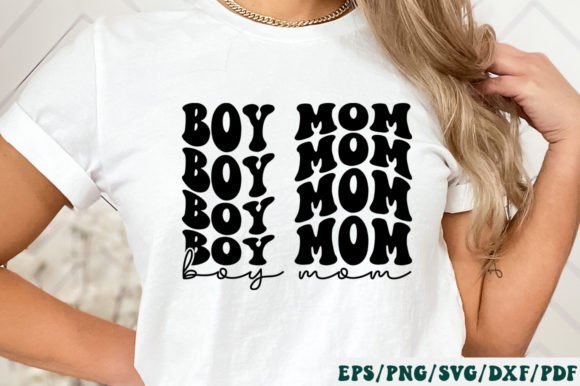
When I first opened the Boy Mom Retro Svg file, the immediate vibe was warm and playful. The retro styling isn't overly kitschy; it has a clean, graphic personality that feels both nostalgic and current. This is a key strength. For embroidery designers and product creators, that means it taps into a popular aesthetic without looking dated. The layout is typically balanced, with lettering and motifs that aren't overly intricate. This suggests it won't become a tangled mess of threads when stitched out. My designer brain immediately started picturing it on a cozy, washed-cotton sweatshirt or the front pocket of a denim jacket—projects where that vintage charm really shines.
The Perfect Project Match: Where This Design Thrives
In my practice, I'm always assessing a file for its real-life application. The Boy Mom Retro Svg naturally belongs to a family of personal, celebratory projects. I recently used a similar theme for a custom embroidered tote bag for a client’s sister. The retro feel elevated a simple canvas bag into a thoughtful, boutique-quality gift. This design would perform beautifully in that same arena.
Consider these applications where its visual personality aligns perfectly with the end product:
- Custom Apparel: Sweatshirts, t-shirts, and hoodies for a “boy mom.” The graphic style stands out well on knit fabrics.
- Home & Gift Items: Embroidered pillow covers for a nursery, tea towels for a kitchen, or a blanket edge. It adds a personalized touch without being overly sentimental.
- Small Business Merchandise: For Etsy sellers or craft fair vendors, this design can be the centerpiece of a simple, high-value product like a beanie or an apron.
- Embroidered Patches: This is a fantastic candidate for a patch. The clean shapes would allow for crisp satin stitch borders and clear fill stitch areas, making it look professional and durable.
Thinking About Your Customer’s Reaction
When you’re choosing an embroidery file for a handmade product or a client project, you’re also choosing the emotional response it will generate. This design’s retro charm tends to create a smile and a sense of recognition. It feels familiar and friendly, which boosts the perceived value of a finished product. For a creative entrepreneur, that translates directly into customer trust and engagement. It looks intentional and designed, not generic.
Practical Considerations Before You Hoop the Fabric
As a professional, my excitement about a design’s style is always tempered by a practical review of its embroidery execution. Here’s how I think through the Boy Mom Retro Svg for actual stitching.
Navigating Potential Stitching Challenges
The included file formats—SVG, DXF, PNG, EPS, PDF—mean you have flexibility for digital previews and machine compatibility. However, the translation from graphic to stitches is crucial.
Pay close attention in these situations:
- Small Details & Lettering: If the design has any tiny decorative accents or thin lettering, test it on scrap fabric first. You might need to adjust stitch density or choose a slightly larger hoop size to maintain clarity.
- Fabric Choice: On very textured fabrics like certain linens, or on stretchy fabrics like t-shirts, the clean lines could lose definition. A good stabilizer is non-negotiable here.
- Dark Fabric Backgrounds: Always run a black-and-white mockup first. Check if the design relies on negative space that might disappear on a dark navy or black sweatshirt. You may need to plan thread colors for high contrast.
- Curved Surfaces: For caps or hats, the overall shape of the design matters. A balanced, not-too-wide layout like this often works well, but confirm your hoop size and placement.
These steps aren’t just about avoiding mistakes; they’re about ensuring the final stitched product has the visual appeal and professionalism that reflects your brand.
Embroidery Designer Notes for a Smooth Project
Before I commit to a final product, I follow a short internal checklist. For the Boy Mom Retro Svg, it would look like this:
- Test stitch a sample on a scrap of the actual project fabric (e.g., cotton twill for a tote, fleece for a sweatshirt).
- Review the stitch density in my machine software. Does it look suitable for the fabric weight? Too dense can cause puckering.
- Inspect the small details in the test stitch. Are corners clean? Do any elements blend together?
- Compare how it looks in a light versus dark fabric mockup. Plan my thread palette accordingly.
- Confirm the licensing terms for this digital embroidery file. If I’m selling finished products or commercial embroidery projects, I must know the rules.
This process turns a good design into a great finished product.
Where This Design Adds Value to Your Craft Business
Beyond the stitch itself, let’s talk about impact. Using a well-executed, appealing design like this affects several layers of your work.
For the small shop owner or Etsy seller, it contributes to brand consistency. If your shop specializes in nostalgic, personalized gifts, this file fits that narrative perfectly. It enhances your handmade presentation because the final embroidery will look clean and intentional.
For the apparel decorator working on client projects, it offers strong “giftability.” A “boy mom” sweatshirt embroidered with this retro design feels like a custom, one-of-a-kind item, increasing client satisfaction and repeat business.
Even for the digital product seller creating printable mockups or design assets, the clean graphic forms of the SVG and other formats make for a professional preview that attracts buyers.
In essence, the Boy Mom Retro Svg isn’t just a Crafts graphic; it’s a versatile tool. When approached with a designer’s eye for practical application—considering fabric, stitch clarity, and end-use—it becomes a reliable asset for creating embroidery projects that look professional, feel personal, and resonate with the people who see them, whether they’re customers, clients, or gift recipients.