A Designer’s Review of "One Sweet Mom" for Real Embroidery Projects
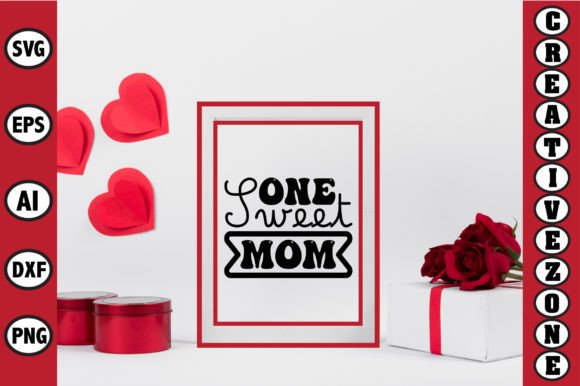
When a new embroidery file lands in my library, my first question isn't about its specs; it's about its soul. What story does it tell when stitched? "One Sweet Mom" has a personality that’s immediately clear: warm, heartfelt, and uncomplicated. It feels like a hug in design form. For embroidery designers, small business owners, and makers looking for a design with genuine emotional pull, this one hits a sweet spot right away.
The Quiet Confidence of a Well-Balanced Design
There’s a quiet confidence in designs like this. It’s not trying to shout with overwhelming detail or trendy flourishes. The layout and theme suggest a focus on clarity and sentiment. This visual personality means it naturally belongs to projects where the message is the star—think custom apparel, personalized gifts, and small shop merchandise meant to feel special, not just decorative.
Imagine you're preparing a custom embroidered tote bag for a client who wants a gift for her mother. The bag is a neutral linen. You want the embroidery to be the centerpiece, readable from a few feet away, and stitch up cleanly without fuss. "One Sweet Mom" fits that scenario perfectly. It’s a design that promises to look like a thoughtful, handmade product when stitched, not just a graphic slapped on fabric.
Where This Design Shines in Real Projects
In practical use, "One Sweet Mom" is a versatile player. Its straightforward nature makes it a strong candidate for a range of real-life embroidery situations. I envision it stitching out beautifully on a cozy sweatshirt, becoming a cherished detail on baby clothes or a nursery blanket, or holding its own as a clean, readable patch on a cap or apron. For holiday gifts, like a personalized kitchen towel or pillow cover, it offers that "made just for you" feeling effortlessly.
For craft business items—say, an Etsy listing for a custom embroidered tea towel or a product for a craft fair—this design adds value through its emotional resonance. It’s giftable. It helps build customer trust because the finished product looks intentional and professional. When a buyer sees a clean, well-stitched sentiment like this on a handmade product, it reinforces the care put into the work.
The Practical Considerations for Stitching Success
Now, for the designer’s eye: where does "One Sweet Mom" need a bit of careful planning? Any design with potential for smaller lettering or distinct shapes demands attention to execution.
On small hoop sizes, you need to ensure the design’s elements don’t become too compressed. Stitching on textured fabrics, like a thick sweater, or on stretchy fabric for a t-shirt, requires proper stabilizer to keep those clean lines intact. On dark fabric, thread color contrast is paramount—you want the sentiment to pop, not fade into the background.
For curved surfaces like caps, the layout’s balance is key; test it on scrap fabric first to see how it sits on the curve. And for products destined for frequent washing, like baby items or apparel, reviewing the stitch density in your machine embroidery file is crucial. Too dense, and it becomes stiff; too light, and it might not endure.
How It Lifts Your Project’s Professional Appeal
Using a design like this isn’t just about the stitch; it’s about the entire presentation. "One Sweet Mom" affects visual appeal by offering stitching clarity. That clarity directly impacts perceived product value. A clean, readable embroidered patch or sweatshirt embroidery feels more valuable than a blurry or poorly proportioned one.
For branding consistency—if you’re a boutique or a creative entrepreneur with a certain aesthetic—this design can slot into a line of heartfelt, family-oriented products seamlessly. It aids in buyer engagement because it’s easily recognizable and emotionally connects. People see "One Sweet Mom" on a product, and they immediately understand its purpose and warmth.
Embroidery Designer Notes for a Smooth Process
Before you hoop up your favorite fabric, here are my practical notes from the perspective of daily embroidery work.
Always, always test the design on scrap fabric first. Use a fabric similar to your final project—if it’s for a tote bag, test on a canvas-like scrap. This lets you check small details, review stitch density, and confirm your chosen hoop size works comfortably.
Play with thread color contrast. Don’t just assume white on navy works; stitch a snippet in your chosen colors. Also, test the design in black and white mockups, or compare how it looks on both light and dark fabric backgrounds digitally. This helps plan for real thread choices.
Since this is described as a digital embroidery file, compatibility with your software and machine is a given, but always run a quick test stitch to ensure no unexpected surprises in the file conversion or sizing.
A crucial step for anyone selling finished items or digital product previews: confirm the licensing. Understand whether "One Sweet Mom" is cleared for both personal and commercial projects. Never assume. This protects your craft business and your client relationships.
Finally, think about the product’s life. If you’re embroidering a baby blanket or an apron that will see lots of use, consider a slightly reinforced stitch or a thoughtful placement away from high-wear areas.
The Final Stitch: A Design Built for Meaningful Making
"One Sweet Mom" isn’t a flashy, complicated graphics file. It’s a design asset built for meaningful making. Its strength is in its emotional clarity and practical application. For embroidery designers and makers looking to create projects that feel personal, professional, and deeply appreciated, this design is a reliable and heartfelt choice. It reminds us that in the world of machine embroidery design, sometimes the simplest messages, stitched with care, leave the most lasting impressions.