A Designer’s Review of the German Spitz Dad SVG Design
First Impressions: A Friendly, Clean Face
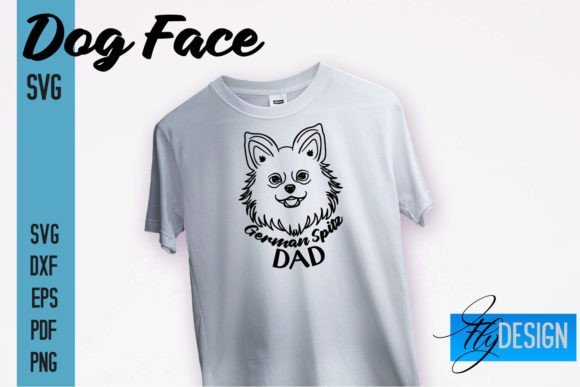
When you first open the German Spitz Dad SVG Design Dog Face, the mood is immediately clear: it’s friendly, approachable, and has a touch of playful personality. The shape is clean—a classic, well-defined dog face with distinct features. This isn’t an overly intricate portrait; it’s a character. The layout is straightforward, making it feel like a design that wants to be used, not just admired on screen. For embroidery, this is a great starting point. It naturally belongs to projects where a touch of warmth and personal connection is key—think a custom embroidered pillow for a dog-loving dad, or a simple patch on a canvas tote bag.
The Real-World Embroidery Scenario
Let’s picture a real case: you’re preparing a custom embroidered sweatshirt as a Father’s Day gift for a client whose family adores their German Spitz. You’re thinking through how this design will translate from the digital file to the actual stitching. The clean lines and distinct features of this dog face design are promising. On a mid-weight sweatshirt fabric, the outline should stitch up clearly, creating a recognizable silhouette without getting lost in the texture. The level of detail feels right for a medium-sized hoop—you’re not dealing with tiny, fussy elements that could blur into a mess of stitches. This is a design that, when stitched, will look intentional and crafted, which boosts the perceived value of the finished product.
Where This Design Shines in Your Projects
This German Spitz Dad SVG Design Dog Face performs well across a range of real-life embroidery situations. For custom apparel like t-shirts and sweatshirts, it offers a bold yet not overwhelming graphic. On tote bags and aprons, it becomes a charming, durable accent. For baby clothes or nursery decor, scaled appropriately, it introduces a sweet, pet-themed motif without being too sharp or complex. As an embroidered patch, it would hold its shape nicely. For small business merchandise—say, in a boutique selling handmade pet-themed goods—it provides a consistent, recognizable brand element. It’s also excellent for personalized gifts, like embroidered pillow covers or tea towels, where the theme is personal and the execution needs to be clean. In digital product previews or printable mockups for your Etsy listings, this clear design communicates the final product idea effectively to potential buyers.
Handling the Commercial and Creative Side
From a commercial embroidery perspective, a design like this affects several things. Its visual appeal is straightforward and engaging, which helps with customer trust—they can easily see what they’re getting. The stitching clarity, assuming proper setup, should result in a professional-looking handmade presentation. This consistency is good for your brand if you use similar thematic designs. Its giftability is high for the right recipient, and its recognition as a specific dog breed adds a layer of personalized value that buyers appreciate. For engagement, it’s a design that prompts a story, which is always a win for creative entrepreneurs.
Where to Exercise Caution
While the design is friendly, its application needs thoughtful placement. On very small hoop sizes, some of the facial definition might compress, losing its charm. On highly textured fabrics like thick terrycloth, the finer lines could struggle to stand out. On thin or stretchy fabrics, stabilizer choice becomes critical to prevent distortion. Embroidering on dark fabric backgrounds requires careful thread color contrast planning—a light-colored thread for the main face will be essential. On curved surfaces like caps, the larger, solid areas of the face need to be tested for stitch density to avoid puckering. The design likely doesn’t have tiny lettering (the description doesn’t mention text), so that’s a relief, but any dense stitch areas should be reviewed in a test run. For products that need frequent washing, like kitchen towels, ensuring the stitch coverage is secure and the threads are high-quality becomes paramount.
Practical Notes from the Embroidery Desk
Before committing this design to a client project or your craft business inventory, here are my practical embroidery designer notes:
- Always test the embroidery file on scrap fabric first, using the same material and stabilizer you plan for the final product.
- Check thread color contrast against both light and dark fabric backgrounds. Create simple black and white mockups to see how the silhouette holds up.
- Review the stitch density in your software preview; look for any overly saturated areas that might cause fabric pull.
- Confirm the hoop size needed for the scale you want. This design likely works well from a 4x4 inch hoop up to a 6x6 inch, but verify with your machine.
- Inspect the small details—the eyes, nose, ear shapes—in your test stitch to ensure they translate cleanly.
- Use proper stabilizer for the fabric type; this is non-negotiable for a clean finish.
- Since the product description emphasizes it’s great for cutting machines like Cricut and Silhouette, remember this is an SVG file. For embroidery, you’ll need to convert or use it as a template. Be sure your embroidery machine and software are compatible with your workflow.
- The description doesn’t specify licensing. Before selling finished items or digital products using this design, confirm the license terms. Is it for personal use only, or does it allow commercial use for your handmade products?
The Final Stitch: A Design Ready for Work
The German Spitz Dad SVG Design Dog Face, from the Crafts and Graphics category, is ultimately a practical design asset. It doesn’t overpromise; it offers a clear, thematic graphic that an embroidery designer can adapt and execute with confidence. In the hands of a crafter, Etsy seller, or apparel decorator, it becomes a tool for creating something with emotional resonance—a gift, a boutique product, a piece of custom apparel that tells a small, happy story. Its value lies in its usability. By approaching it with a professional eye—testing, planning for fabric and scale, and respecting licensing—you can turn this digital file into a finished product that feels both handmade and thoughtfully designed. That’s the kind of result that keeps customers coming back to your shop.