Beyond the Screen: Embroidering Baseball Mom Life
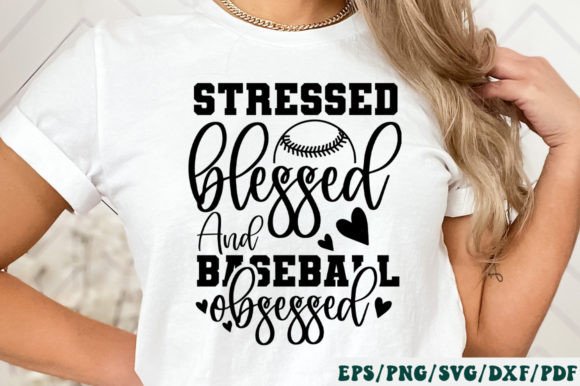
When I see a design called Stressed Blessed and Baseball Obsessed, my first thought is always about how it will translate from a digital file into physical stitches. This isn't just a graphic; it’s a statement, a mood, and a potential product waiting to be made real. My job as a designer and reviewer is to visualize its journey from my software screen onto fabric, into a hoop, and finally onto an item that someone will wear, use, or gift.
The Immediate Feel: A Celebration of Chaotic Joy
The title itself sets the tone. It’s playful, honest, and full of personality. This design isn't aiming for sleek minimalism; it’s embracing the beautifully hectic life of a baseball family. The layout and typography inherent in the concept suggest a design that balances words with likely decorative elements—perhaps a baseball or related iconography. It creates a mood of cheerful resilience. For embroidery, this means we’re looking for a design that stitches up with character, something that feels handmade and heartfelt rather than sterile and corporate.
It naturally belongs to projects that are personal, celebratory, or meant as a badge of identity. Think of a custom sweatshirt for the team mom, a tote bag for carrying snacks to the field, or a pillow cover for a sports-themed living room. It’s a design that speaks directly to a community, and that’s a powerful starting point for any embroidery project.
Where This Design Comes Alive in Stitches
In real-life embroidery, Stressed Blessed and Baseball Obsessed has a wide field of play. Let’s walk through some scenarios.
For custom apparel, like a cotton t-shirt or a cozy sweatshirt, this design would act as a centerpiece. It’s a declaration. Embroidered on the left chest or centrally on the back, it becomes part of the wearer’s identity. The handmade texture of satin stitches for lettering and fill stitches for any decorative elements adds a layer of quality that vinyl or screen printing can’t match. For a small business owner selling at craft fairs or an Etsy shop offering personalized gifts, this adds tangible value.
Consider a practical embroidered tote bag. A sturdy canvas tote with this design stitched prominently on the side transforms a simple bag into a themed, useful gift. It’s durable, it tells a story, and it elevates the item from generic to custom. Similarly, a kitchen apron or a tea towel with this embroidery makes for a fantastic, relatable gift for a baseball-loving friend or family member.
The theme also lends itself wonderfully to baby items and nursery decor. Imagine a soft blanket or a little jersey with a smaller version of this design embroidered on it. It’s a sweet way to celebrate a family’s passion from the very start. As a boutique product, it carries emotional weight.
For the embroidery file itself, its provided formats—SVG, DXF, PNG, EPS, PDF—mean it’s flexible. You can use it to create a digital mockup for your shop listing, previewing how the finished product will look. This is crucial for customer trust and engagement online. A clean, professional mockup showing the design on a hat or pillow tells the buyer exactly what they’re getting.
The Cap, The Patch, and The Curved Surface
One of the more demanding but rewarding applications is a baseball cap. The curved, structured surface of a cap requires a design that can adapt. Stressed Blessed and Baseball Obsessed, depending on its detail level and size, could be perfect for the front panel. However, this is where we must be careful. Tiny, intricate lettering or very dense stitch areas might not translate cleanly on such a textured, curved base. It requires the right stabilizer and hoop technique to keep the stitches looking sharp.
Creating an embroidered patch from this design is another excellent commercial or personal use. A standalone patch allows for ultimate flexibility—it can be ironed or sewn onto a backpack, a jacket, or even a quilt. It becomes a portable piece of identity.
Caution Zones: Where to Plan Before Stitching
Not every design is for every fabric or every scale. Here’s where practical judgment comes in.
If the design has very small details or tight corners, using it on a small hoop size might compress those elements, making them less clear. Always test a section on scrap fabric first. This is non-negotiable.
Thin or stretchy fabrics, like certain t-shirt materials, demand careful stabilizer choice to prevent puckering and distortion, especially if the design has a high stitch density.
Working on dark fabric requires a thoughtful approach to thread color contrast. The playful mood of the design could be lost if the colors don’t pop sufficiently against a dark background. Sometimes, adding a lighter backing or using brighter thread shades is necessary.
For products that will undergo frequent washing, like baby clothes or kitchen towels, the integrity of the stitches is key. A robust fill and proper thread choice will ensure the design lasts, maintaining that handmade presentation through many uses.
The Impact: From Stitches to Customer Connection
What does a well-executed embroidery of this design achieve? It boosts visual appeal through tangible texture. It creates stitching clarity that feels professional. For a small shop product, this craftsmanship directly increases perceived product value and builds customer trust. It shows care.
It enhances brand consistency for a creative entrepreneur focusing on sports-themed or family-oriented goods. It has high giftability and instant recognition within its niche. When a buyer sees this on a sweatshirt in your Etsy listing, they immediately imagine who would wear it—perhaps themselves, their sister, their mom. That emotional engagement is the heart of a successful handmade business.
A Real Scenario: The Last-Minute Gift Tote
Imagine you have a client who needs a gift for her sister, the organizer of the local little league. Time is short. You have a blank canvas tote bag, your machine, and this Stressed Blessed and Baseball Obsessed embroidery file. You choose a classic red thread for potential baseball elements and a crisp white for the lettering. After testing on scrap canvas, you adjust the size slightly to fit the tote’s panel perfectly. You use a sturdy stabilizer. The stitches lay down cleanly. The final product isn’t just a bag; it’s a personalized, understanding joke and a celebration. It’s exactly what the client needed. This is the real-world value of a good, adaptable design.
Practical Designer Notes Before You Hoop
- Never skip the scrap fabric test. It reveals everything about stitch density, small detail clarity, and how the design behaves with your chosen stabilizer.
- Check thread color contrast against both light and dark fabric backgrounds. Create simple black and white mockups in your software to assess pure form and layout.
- Confirm the physical hoop size you’ll need for your intended product. Does the design need to be scaled down for a baby bib or up for a pillow cover?
- Inspect the file for any potentially troublesome areas: overly dense decorative accents, extremely tiny lettering in the “obsessed” part, or corners that might challenge a satin stitch.
- Most importantly, confirm the licensing terms of this digital embroidery file. The product description notes it includes multiple formats for use with various software, but you must verify whether it is cleared for personal use, commercial use, or selling finished items. This is a fundamental step for any craft business or commercial embroidery project.
Stressed Blessed and Baseball Obsessed is more than a digital asset; it’s a catalyst for creating something with emotional resonance. By approaching it with a practical, experienced eye—thinking about fabric, scale, application, and final product—you transform a graphic into a stitched story that someone will genuinely love to hold, wear, or give. That’s the real goal of any embroidery project.