Eat Sleep Football Repeat: A Designer's Real-World Review
When a design like the Eat Sleep Football Repeat SVG lands on my desktop, my first thought isn't about the files inside the ZIP folder. It's about the fabric. I immediately picture how this mantra will translate from a crisp digital outline to a tangible, threaded reality on a sweatshirt, a tote, or a baby’s blanket. As someone who evaluates designs for real embroidery work and client projects, I look past the download formats and ask: does this design have the bones to become a great finished product?
The Unmistakable Mood of a Sports Fan's Creed
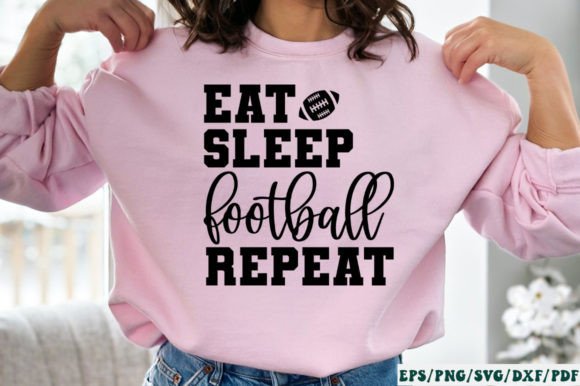
The first impression here is clear, confident, and full of personality. The phrase "Eat Sleep Football Repeat" isn’t just text; it’s a lifestyle declaration. The layout typically implied by such a theme—often bold, centered, and straightforward—creates a mood of devoted enthusiasm. This isn't a delicate, decorative piece. It’s a statement of identity. Visually, it promises to be a dense, impactful focal point, perfect for projects where you want the message to be the hero. It naturally belongs to apparel, bags, and home goods for the true fan, from the football mom in the stands to the dedicated player.
Where This Design Finds Its Perfect Stitch
In practical embroidery situations, this SVG shines on substantial, everyday items. Imagine it embroidered on the chest of a cozy sweatshirt—the stitch density filling out the letters would feel substantial and durable. On a canvas tote bag for a game day, it would withstand use and look fantastic. It’s a prime candidate for custom apparel like t-shirts and hoodies, personalized gifts like embroidered pillow covers for a den, or even boutique merchandise like tea towels for a sports-themed kitchen. For small business owners and Etsy sellers, this design translates easily into product categories that have ready-made audiences: fan gear, holiday gifts for sports lovers, or personalized baby items for a little future quarterback.
Its straightforward, graphic nature also makes it a reliable asset for digital product sellers and creative entrepreneurs. It can be used cleanly in printable mockups to showcase potential finished products, helping buyers visualize that embroidered cap or patch before purchase. For commercial embroidery projects, like a series of patches for a local team, the clear lettering ensures recognition and brand consistency across items.
The Careful Considerations for Stitching Success
However, the boldness of such a phrase also demands careful application. The devil is in the details, especially with lettering. On small hoop sizes or curved surfaces like caps, the clarity of each word needs to be preserved; tiny lettering or intricate corners can get lost if the design isn't adjusted or the stitch choices aren’t right. Stitching on textured or stretchy fabrics, like some knits, requires a good stabilizer strategy to keep those fill stitches looking sharp and prevent puckering.
Dark fabric backgrounds are a classic choice for sports themes, but they necessitate a thoughtful review of thread color contrast. A white or bright satin stitch will pop, but you must ensure the stitch density is sufficient so the letters don’t appear sparse or translucent against the dark material. For products destined for frequent washing—like baby clothes or kitchen towels—a robust embroidery file with appropriate stitch settings is key for longevity and customer trust.
How Embroidery Elevates the Design's Value
Moving from an SVG file to an embroidered product transforms this graphic. The tactile dimension of threads adds depth and a handmade presentation that increases perceived value. For a gift, an embroidered tote bag with this creed feels more personal and permanent than a printed one. For a small shop product, quality embroidery on a sweatshirt speaks to professionalism and boosts buyer engagement. The visual appeal isn't just about the words; it's about the craftsmanship of the satin stitches and fill stitches that bring it to life. This directly affects customer trust and the giftability of the final item.
A Designer's Practical Notes Before Hooping Up
Before loading this design into your machine for a real project, here are my grounded, routine checks. Always test the embroidery file on a scrap of your intended fabric first. This reveals everything: how small details like the spaces between letters handle the stitch, whether the overall stitch density works with your fabric texture, and if the chosen hoop size is appropriate. Create black and white mockups to see it in stark contrast; compare how it might look on both light and dark fabric backgrounds to plan your thread palette.
Since the product description notes it includes SVG, DXF, PNG, EPS and PDF formats, remember that for embroidery, you'll be working from the vector outlines to create your stitch file. Compatibility with design software like Cricut Design Space or Silhouette is great for initial sizing and manipulation, but your embroidery software will do the heavy lifting for stitch types. Crucially, always confirm the licensing terms for this graphic before using it in commercial projects or selling finished items. The description doesn’t specify license details, so verifying this is a necessary step for craft businesses and digital product sellers.
The Final Stitch: A Design Built for Fan-Focused Projects
The Eat Sleep Football Repeat SVG, from a designer’s point of view, is a strong, thematic foundation. It’s less about intricate artistry and more about delivering a clear, emotive message through embroidery. It fits perfectly into the world of custom apparel, embroidered patches, and handmade gifts for a passionate niche. Its performance on robust items like sweatshirts and bags is where it will likely excel, creating durable, beloved products. Approach it with practical attention to fabric, stitch clarity, and licensing, and this graphic can reliably become a standout piece in your embroidery project lineup, whether for personal joy or your small shop’s next bestselling merchandise.