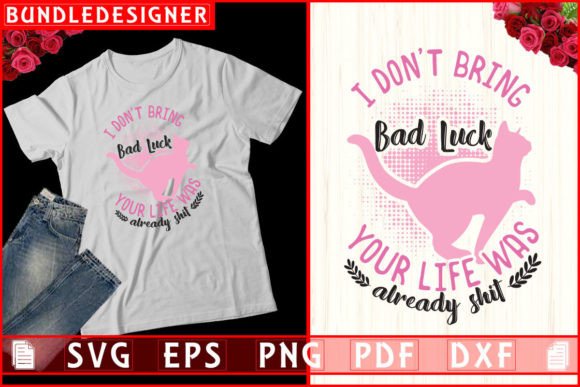
Evaluating the Cat Mom Design: A Designer's Eye on 'I Don't Bring Bad Luck'
The First Impression: A Warm and Witty Mood
Opening the ‘I Don't Bring Bad Luck’ design file, the immediate feeling is one of affectionate humor. It’s not just a cat graphic; it’s a statement piece with personality. The layout, presumably built around that central feline and the playful text, feels balanced for an embroidered focal point. This isn't a overly dense, serious portrait—it’s a lighthearted graphic likely intended to spark a smile. That mood is crucial. It tells me this design isn’t for formal corporate apparel; it naturally belongs on gifts, casual wear, and products meant to feel personal and friendly.
Where This Design Finds Its Perfect Home
In my mind, I’m already placing this onto real projects. A custom embroidered tote bag for a cat-loving friend feels like a perfect fit. The design’s theme would turn a simple bag into a personalized, conversation-starting accessory. I’m also picturing it centered on a cozy sweatshirt for a small boutique—a quintessential ‘Cat Mom’ sweatshirt that sells because it’s relatable. Baby items? Perhaps a subtle version on a nursery pillow cover, though the wording lends itself more to gifts for the mom herself. As a patch, it could be fantastic, adding a handmade touch to a denim jacket or backpack. The key is that its appeal is niche but deep; it speaks directly to a specific, passionate community of crafters and buyers.
The Sweet Spot: Casual Apparel and Personalized Gifts
The ‘I Don't Bring Bad Luck’ embroidery design shines brightest on casual, flat surfaces where the stitching can be clear and the humor can be read easily. Think:
- Embroidered sweatshirts and t-shirts for a craft business or Etsy shop.
- Kitchen towels or aprons as a witty housewarming gift.
- Pillow covers for a cozy, pet-friendly home decor item.
- Simple tote bags as a bestselling item at a craft fair.
Its value here is in its giftability and recognition. A customer sees it and instantly understands the sentiment, which builds a quick emotional connection. That’s gold for small business merchandise.
Navigating the Practical Stitching Considerations
Moving from idea to machine, a few practical notes come to mind. Given this is a digital file bundle with SVG, EPS, and PNG formats, the vector nature suggests it can be scaled, which is excellent. However, the real test is in the stitch-out.
Details That Demand Attention
Without knowing the exact stitch count, I’d be cautious on very small hoop sizes. If the design contains fine lettering for “I Don't Bring Bad Luck,” or intricate cat features, a too-small size could make satin stitches or fill stitches blur into a dense, muddy area. Textured fabrics like some sweater knits might lose clarity, whereas a smooth cotton or canvas would be ideal. For dark fabrics, thread color contrast is paramount—you’d need to choose a bright, contrasting palette so the playful mood isn’t lost in shadow.
Stretchy fabric like t-shirts requires serious stabilizer consideration to prevent puckering, especially if the design has areas of high stitch density. And for curved surfaces like caps, the design’s overall shape and layout would need to be assessed—a wide, rectangular layout might not fit the cap’s curve gracefully. These are not flaws of the design, but simply the realities of embroidery that any professional designer tests for.
Enhancing Professional Results and Buyer Trust
How does using this design affect the finished product's perceived value? When stitched cleanly on appropriate fabric, it elevates a basic item into a handmade, thoughtful product. The clarity of the stitching directly impacts customer trust—a crisp, well-aligned embroidery job shows professionalism and care, making buyers more confident in your craft business or Etsy listings. For brand consistency, if your shop leans into pet-themed or humorous gifts, this design could become a staple, reinforcing your niche.
A Designer's Pre-Project Checklist
Before I’d run this for a client or my own shop, my routine would involve:
- Stitching a test on scrap fabric of the exact type I plan to use.
- Checking the design in both black-and-white and color mockups to visualize it on light and dark backgrounds.
- Reviewing the actual stitch density and detail level in my embroidery software after importing the file.
- Confirming the hoop size needed for the desired final product size.
- Most importantly, clarifying the licensing terms provided with the files. Since this is a digital product for crafts and graphics, I must know unequivocally if I can use it for commercial embroidery projects, selling finished tote bags, sweatshirts, etc., or if it’s for personal use only. This step is non-negotiable for professional use.
Final Thoughts: A Design with Clear Purpose
The ‘I Don't Bring Bad Luck’ design, from a practical designer’s viewpoint, is a strong candidate for a specific range of projects. Its strength is its clear, humorous theme that resonates with a target audience. It’s not an all-purpose graphic; it’s a specialized tool for creating products that feel personal, witty, and handmade. Success with it hinges on treating it as a professional embroidery file: testing it, matching it to the right fabrics and products, and ensuring your technical execution is as sharp as the design’s concept. When done right, it becomes more than just stitches on fabric—it becomes a charming, sellable piece of craft that perfectly captures the joy of being a cat mom, without any bad luck at all.