Mom Life: A Wavy Retro Design for Real Stitching
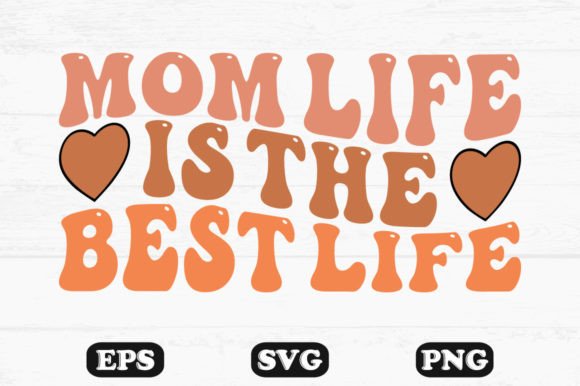
I’ve been looking at this Mom Life is the Best Life Wavy Retro Svg with my embroidery project lens on. It’s a design that immediately speaks to a mood—a celebratory, vintage, slightly playful nod to motherhood. The wavy baseline isn’t just a trendy retro graphic element; it’s a practical consideration for us stitchers. That movement gives the static text a sense of energy, which translates beautifully into satin stitch lettering on fabric. My first thought was how this would look on a custom tote bag for a client—not flat and rigid, but with a gentle, handcrafted flow.
Where This Design Finds Its Home
The personality of this design leans toward casual, heartfelt products. I picture it on a cozy sweatshirt for a mom, a kitchen towel in a handmade apron set, or a simple pillow cover for a nursery or living space. The “Mom Life is the Best Life” sentiment is universal enough for a broad audience but personal enough to feel like a meaningful gift. For small business owners and Etsy sellers, this is a strong candidate for holiday gift collections or everyday boutique merchandise.
Specifically, I’d consider it for:
- Apparel decorators working on t-shirts, hoodies, or baby onesies.
- Crafters making personalized tote bags or tea towels for craft fairs.
- Creative entrepreneurs adding it to a line of embroidered patches or simple home decor.
The vintage wavy style suggests a relaxed, non-corporate feel. It wouldn’t suit a formal logo, but it’s perfect for products that celebrate personal connection and handmade warmth.
Visual Appeal and Stitching Clarity
From an embroidery designer’s perspective, the wavy layout is a gift. It naturally breaks up the text into manageable stitching sections. Each word, especially “Life” with its potential length, can be planned as a distinct unit. This helps with stitch density planning and prevents large, flat fill stitch areas that can be stiff on softer fabrics like t-shirts. The retro font style typically has clean, moderate-weight lettering, which is excellent for machine embroidery—it retains clarity without demanding microscopic detail.
When I imagine this stitched out, the value it adds to a finished product is emotional. A customer sees a recognizable, trendy style combined with a heartfelt message. That builds trust and engagement because it feels contemporary and sincere. For your craft business, using a design like this consistently across a product line—say, on sweatshirts, caps, and pillows—can create a subtle brand consistency around celebratory, lifestyle themes.
Careful Placement: The Practical Considerations
This isn’t a design I’d throw onto any project without a bit of forethought. The wavy element and the text itself require a stable base. Here’s where you need to be realistic:
- Small hoop sizes or tiny items: If you’re embroidering on a baby hat or a small patch, the entire design needs to scale down effectively. Test that the wavy motion and letter details don’t become cramped and lose clarity.
- Textured or stretchy fabrics: A loose-knit sweater or a textured towel can distort the smooth lines of the wavy baseline. Proper stabilizer choice is critical here to maintain that retro flow.
- Dark fabric backgrounds: The design’s personality might pop best with bright, contrasting thread colors. On dark fabrics, consider a bold white or pastel to keep the vintage feel alive.
- Curved surfaces like caps: The horizontal wavy flow might need slight adjustment or placement to look natural on a curved brim. Always test on scrap first.
The design isn’t overly dense, which is good, but the “Best” and “Life” words could have thicker areas depending on the font interpretation. Review the stitch density in your embroidery file before running it on delicate or thin fabrics to prevent puckering.
A Real-Life Scenario: The Custom Embroidered Tote
Let’s walk through a real case. A client requests a personalized gift for a new mom—a sturdy canvas tote bag for library trips and errands. I select this Mom Life is the Best Life Wavy Retro Svg. The canvas is a stable, medium-weight fabric, a good match. I consider thread colors: a soft peach for the text on a natural linen bag? Or a classic navy on a cream bag to enhance the retro vibe? I mock it up digitally, but the real test is on scrap canvas.
I check how the wavy baseline stitches out. Does the satin stitch look smooth along the curves? Does the design feel centered and balanced on the bag’s panel? After a successful test, I proceed. The finished tote has a handmade presentation that’s professional yet friendly. The client’s reaction is likely positive because the design feels both current and timeless—it’s not a generic quote; it’s a styled statement.
For an Etsy seller, this same tote becomes a listing photo. The wavy design adds visual interest to the product shot, making it stand out in a sea of simple text embroidery. It suggests a higher level of design consideration, which can elevate perceived value.
Notes for the Embroidery Designer Before Hooping
Before you commit this design to a final project, run through these practical steps:
- Test on scrap fabric first, ideally the same material as your final project. Observe the stitch outcome, especially the curves.
- Check thread color contrast against your background fabric. The vintage style can be muted or bold; choose what fits your product’s mood.
- Review the embroidery file’s stitch density in your software. Ensure it’s appropriate for your fabric weight.
- Confirm your hoop size can accommodate the design at your chosen scale without forcing overly tight placement.
- Inspect small details like the ends of the wavy line and any decorative accents. Are they cleanly defined in the file?
- Test in black and white mockups to see how the design holds up without color, useful for planning thread choices.
- Compare light and dark fabric backgrounds digitally to anticipate how the design personality changes.
- Use proper stabilizer as dictated by your fabric, not just the design. The wavy element needs stability.
- Check licensing for this graphics product. Confirm whether your use—for personal gifts, commercial embroidery projects, or selling finished items—is permitted under the terms provided.
Remember, a design like this is a digital embroidery file, a tool. Its success in your handmade product or custom apparel depends on your thoughtful application. It has the potential to create engaging, giftable items that resonate because it combines a popular visual trend with a universally warm message. For crafters and small shop owners, that’s a valuable design asset. Approach it with practical confidence, stitch it with care, and it will likely become a reliable part of your project repertoire.