One Spooky Twin Mom: A Designer's Evaluation
When a new embroidery design lands in my library, I don't just look at it on screen. I immediately start visualizing it stitched out, on a real product, in a real scenario. So, when I first saw One Spooky Twin Mom, my mind went straight to a custom Halloween sweatshirt for a client. This isn't just a digital file; it's a potential finished product, and that's the lens I use for every review.
The Immediate Mood and Personality
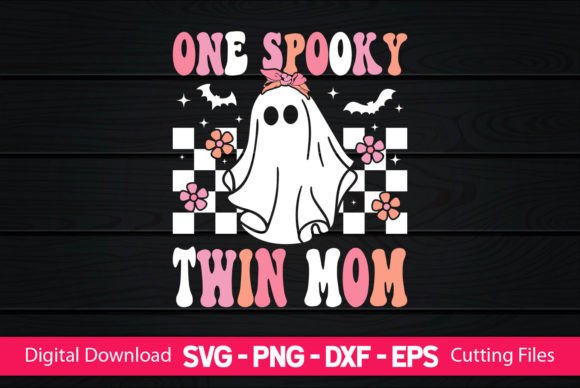
The first impression of One Spooky Twin Mom is playful and specific. It’s not a generic spooky theme—it’s personalized, which is a huge value point for embroidery work. The layout feels balanced, with a central focal element that’s clear and graphic. The personality is friendly-halloween, perfect for that niche of moms who love the season but want something more personal than a standard ghost or pumpkin. For a handmade product, this creates an immediate emotional hook.
For my imagined client project, a sweatshirt for a mother of twins, this design telegraphs a sense of fun and identity. It would work equally well on a tote bag for a craft fair or a personalized pillow cover as a holiday gift. The detail level appears manageable: it looks like it avoids overly tiny elements that could become muddled in satin stitch, which is a good sign for stitch clarity.
Where This Design Thrives in Real Projects
Thinking practically, One Spooky Twin Mom belongs on products where its personalized theme can shine. I’d rank it highly for:
- Custom Apparel: Sweatshirts, t-shirts, and baby clothes for a festive, family-themed Halloween outfit.
- Home Goods: Pillow covers, kitchen towels, or lightweight blankets for nursery or living room decor.
- Gift Items: Embroidered patches, aprons, or tote bags as a personalized holiday gift.
- Small Business Merchandise: For an Etsy seller or boutique focusing on motherhood or seasonal items, this could be a standout product.
The graphic style suggests it would also work well in printable mockups for digital product sellers, offering a clean preview for customers. For commercial embroidery projects, like a batch of caps for a small event, the design’s recognizability adds value.
A Practical Scenario: The Embroidered Sweatshirt
Let’s walk through a real case. I’m preparing a custom embroidered sweatshirt for a client who is, indeed, a twin mom. She wants something unique for Halloween photos. One Spooky Twin Mom is a contender. My immediate considerations are visual appeal and stitching clarity. On a mid-weight sweatshirt fabric, the design's shapes need to hold up without fill stitch becoming too dense. The overall layout should maintain clean lines after stitching to ensure customer trust in the handmade presentation. A successful stitch here boosts product value and giftability immensely—it feels professional and thoughtful.
Caution Areas and Careful Application
No design is universally perfect, and a professional assessment requires noting where careful planning is needed. Based on its visual structure, I would advise caution with One Spooky Twin Mom on:
- Very Small Hoop Sizes: If any lettering or fine details are present, a tiny hoop might compromise their integrity.
- Highly Textured or Stretchy Fabrics: Like thin t-shirts or certain fleeces, where stabilizer choice becomes critical to prevent distortion.
- Dark Fabric Backgrounds: Thread color contrast must be planned meticulously—a test stitch on scrap fabric is non-negotiable.
- Curved Surfaces Like Caps: The design’s central motif needs to be assessed for how it will conform to a curved seam.
- Products Requiring Frequent Washing: On items like baby clothes or kitchen towels, stitch density and stabilizer residue should be evaluated for durability.
These aren’t flaws; they’re standard considerations for any embroidery file. Addressing them proactively is what separates a hobbyist experiment from a sellable finished product.
Impact on Business and Customer Engagement
For craft business owners and makers, using a design like One Spooky Twin Mom affects more than just the stitch. It influences brand consistency if you specialize in family or holiday themes. It enhances buyer engagement because the design is niche and relatable—a twin mom searching for Halloween items might feel it was made just for her. That specificity is a powerful tool for Etsy sellers and creative entrepreneurs.
The handmade presentation, when executed well with proper stabilizer and thread colors, elevates the perceived value. It moves from a simple graphic to a cherished personalized gift or boutique product. For digital product sellers offering this as a design asset, its clear, application-ready style helps in commercial embroidery contexts, provided licensing is confirmed for such use.
Essential Designer Notes Before Hooping Up
Before I’d ever run this design on a client’s item, my process would involve:
- Testing on Scrap Fabric: First and foremost, using the same material as the final product.
- Checking Thread Color Contrast: Running tests on both light and dark fabric backgrounds to finalize my palette.
- Reviewing Stitch Density: Observing if any areas are overly dense, which could affect fabric drape or washing.
- Confirming Hoop Size: Ensuring the chosen hoop accommodates the design comfortably without cramping details.
- Inspecting Small Details: Looking closely at any corners or potential tricky spots in the embroidery file.
- Using Proper Stabilizer: Matching the stabilizer to the fabric texture and project type—no guesswork.
- Clarifying Licensing: This is crucial. Before selling finished items or digital products, one must confirm the commercial terms provided with the One Spooky Twin Mom file.
I also recommend testing the design in black and white mockups to see how it reads purely as shape, which helps assess its fundamental strength.
Final Practical Judgment
One Spooky Twin Mom strikes me as a design with strong application potential for a clear niche. Its mood is engaging, and its layout appears adaptable to common embroidery projects like apparel, home decor, and personalized gifts. The real value will be determined in the stitching—by the choices of fabric, thread, stabilizer, and hoop. For embroidery designers and makers, it represents a thematic asset that, with professional handling, can translate into a product that delights a specific customer. That’s the core of what we do: take a digital graphic from the Crafts and Graphics world and turn it into a tangible, meaningful piece of handmade craft. Approach it with that practical mindset, and you’ll likely find it a spooky success.