Weird Grandpa Designs Build Character & Charm
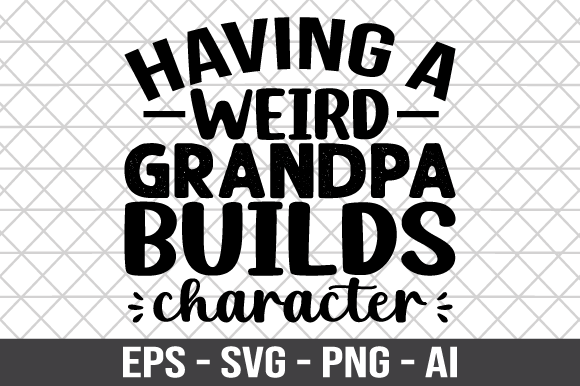
When a design file lands in my library with a title like Having a Weird Grandpa Builds Character, I get a very specific feeling. It's not just a graphic; it's a story waiting to be stitched. As a designer who reviews embroidery files for real project use, my first question is always: where does this belong in the real world? This isn't about abstract aesthetics; it's about imagining a finished, stitched product hanging in a shop, wrapped as a gift, or worn by a client.
The Immediate Mood & Narrative Potential
The phrase itself carries a warm, humorous, and slightly nostalgic charge. It speaks to family, to quirky love, and to those shared inside jokes that become family legend. For an embroidery designer, this means the design isn't just a decorative element; it's a personalized statement. The visual personality implied by the title suggests a layout that should feel approachable, perhaps slightly whimsical, but never saccharine. It has the potential to create an immediate emotional connection, which is gold for craft business items, personalized gifts, and small shop merchandise.
Imagine this stitched onto the corner of a canvas tote bag for a grandchild. Or centered on a soft, washed-cotton sweatshirt for a dad. The design becomes a wearable anecdote. Its success hinges on how the supplied files—the AI, EPS, SVG, and PNG—translate that character into clean, stitchable paths. A good vector file means I can resize it confidently for a baby onesie or a large apron without losing the soul of the message.
Real-Life Embroidery Scenario: The Custom Holiday Sweatshirt
Let's walk through a typical use case. A client orders a custom holiday sweatshirt as a gift for her father, referencing his famously "weird" but beloved grandpa antics. She sends me Having a Weird Grandpa Builds Character. My process starts with the digital file.
First, I open the vector formats to assess the detail level. Are the letterforms clear and open, without overly tight corners that might pucker under a satin stitch? Is the layout balanced so it sits well on a curved chest panel? The transparent PNG is invaluable here for quick printable mockups to show the client placement on a sweatshirt image. I'm thinking about stitch density—a very dense fill stitch in a large block text could make a heavyweight sweatshirt feel stiff. I hope the design allows for some playful, lighter running stitches or clever use of negative space.
The color palette is my next thought. This design likely thrives on high thread color contrast. On a heather gray or navy sweatshirt, bold, bright threads would make it pop. On a white or pastel baby embroidery item, perhaps a classic black or sepia tone would lend a more vintage, storybook feel. I always test the design on scrap fabric first, using both light and dark fabric backgrounds to see how the perceived weight of the message changes.
Where This Design Naturally Belongs
Beyond the sweatshirt, Having a Weird Grandpa Builds Character has a natural home in several product categories:
- Embroidered patches: Perfect for a jean jacket or backpack, offering a badge of familial pride.
- Tote bag design: Stitched on library canvas or organic cotton, it turns a simple bag into a conversation piece.
- Pillow covers for a den or family room couch, adding a touch of homemade narrative to decor.
- Aprons and kitchen towels, especially as a gift for a grandparent who loves to cook with the grandkids.
- Nursery decor: Framed hoop art or a small detail on a baby blanket, setting the tone for a family full of character.
For Etsy sellers and creative entrepreneurs, this design file is a commercial embroidery asset that can anchor entire product lines—a "Weird Grandpa" series of gifts, for instance.
Careful Application: Where to Tread Lightly
Not every project is an ideal fit. The charm of this design could be lost if applied without considering the constraints of the medium.
Small hoop sizes are a primary concern. If the text is resized too small for a cap or a baby sock, the lettering may become muddy and unclear. Those "character-building" words need space to breathe. Similarly, on textured fabrics like thick wool or linen, fine details might get lost in the weave.
Stretchy fabric requires extra stabilizer and potentially a lighter stitch regimen to prevent distortion. I'd be cautious putting a large, dense version on a fitted t-shirt without rigorous testing. Dark fabric backgrounds demand bright, opaque thread and possibly a different underlay strategy to ensure the message reads clearly and maintains its friendly vibe.
Also, consider the product's lifecycle. An item like a tea towel or apron that needs frequent washing benefits from a robust, slightly simplified stitch plan to ensure longevity. The design's emotional appeal is tied to its visual clarity; if it frays or fades quickly, the product's value and customer trust diminish.
Impact on Visual Appeal & Commercial Value
From a business standpoint, a well-executed embroidery of this design adds significant perceived value. It feels handmade but professional, specific but universally relatable. That balance enhances brand consistency for a small shop focusing on family-themed goods. Its giftability is high—it's inherently personal without requiring custom name insertion.
For buyer engagement, it prompts a story. A customer isn't just buying a sweatshirt; they're buying a prompt to reminisce, to laugh, to connect. In craft fair products or boutique branding, that storytelling element can be a powerful differentiator. When stitched with clean edges, good thread coverage, and smart placement, it speaks to craftsmanship, which in turn supports pricing and professionalism.
Practical Designer Notes Before You Stitch
Before loading this embroidery file into your machine for a real project, here's my checklist:
- Always test on scrap fabric that matches your final project's weight and texture.
- Check the resized design in a black and white mockup to evaluate contrast and clarity of shapes.
- Review the provided file formats. The SVG and EPS are crucial for scaling; the PNG is perfect for digital previews. Confirm your machine embroidery design software handles them cleanly.
- Investigate the licensing. The product description doesn't specify terms, so it's imperative to confirm licensing before selling finished items. Is it for personal use only, or does it allow commercial embroidery projects? This is non-negotiable for digital product sellers and apparel decorators.
- Plan your thread colors and stabilizer strategy based on your fabric choice. A crisp design on a cap requires different handling than a soft design on a blanket.
- Consider the end user. A baby embroidery item should have smooth, secure stitches with no loose loops. A decorative pillow can handle more texture.
Ultimately, Having a Weird Grandpa Builds Character is more than a graphics file in the crafts category. It's a design asset with a strong narrative heart. Its real-world performance depends on treating it not as a generic graphic, but as a specific story to be told through thread and fabric. When matched with the right project and executed with thoughtful technique, it builds more than character—it builds connection, memory, and a genuinely charming finished product.