A Designer’s Honest Review of Mama Needs a Time Out Retro SVG
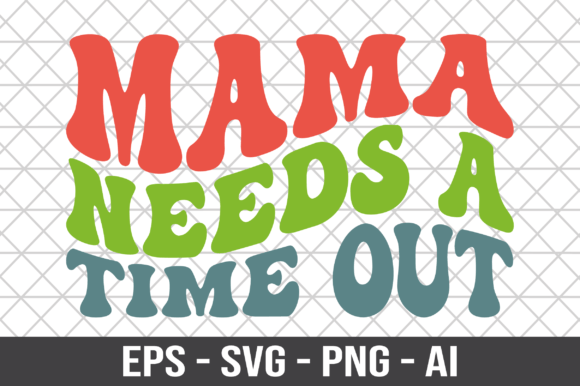
When a new design file lands on my desktop, I approach it like a client project. I’m not just looking at the artwork; I’m thinking about how it will translate into stitches, how it will feel on fabric, and what kind of story it tells when someone wears it or gives it as a gift. Today, I’m evaluating the Mama Needs a Time Out Retro SVG from this practical, embroidery-first perspective.
The First Impression: Humor with a Vintage Heart
This isn’t a generic mom quote slapped into a circle. The retro styling is its real strength. The layout has a deliberate, playful composition that suggests a vintage badge or patch. That visual personality immediately tells me this design isn’t meant for a tiny, delicate corner of a baby blanket. It’s a statement piece. The mood is candid, relatable, and wrapped in a style that feels nostalgic and warm. It creates an instant connection—you’re not just saying “mom needs a break,” you’re saying it with a wink and a retro flair.
For my embroidery work, this signals a project destined for a canvas where the humor and style can shine: a centerpiece on a kitchen apron, the focal point on a canvas tote bag, or proudly displayed on the back of a cozy sweatshirt. It belongs to products meant for use, for showing off, for gifting to a friend who would absolutely get the joke.
Where This Design Thrives in Real Projects
Let’s walk through a real scenario. I’m preparing a custom embroidered tote bag for a client’s small boutique. They want products that feel personal, handmade, and conversation-starting. The Mama Needs a Time Out Retro SVG fits perfectly. The vector nature means I can resize it confidently for the bag’s large panel without worrying about quality loss. The included transparent PNG is a lifesaver for creating quick printable mockups for their Etsy listing.
On a sturdy cotton tote, with a good stabilizer, this design will stitch out with clarity. The bold elements and open layout prevent stitch density from becoming too heavy, which is ideal for larger embroidery projects on bag fabric. I see it thriving similarly on:
- Sweatshirt embroidery: The retro vibe pairs perfectly with fleece back material.
- Embroidered patches: The defined shape makes it a candidate for a standalone, appliquéd patch.
- Pillow covers or tea towels as a fun home decor accent.
- Holiday gifts like personalized aprons—it’s that mix of practical and playful.
For craft business owners, this design adds value because it’s more than a text file; it’s a complete graphic with character. It elevates a simple custom apparel item into a themed product. When a customer sees it stitched, the professional, clean execution of the retro shapes (assuming good technique) builds trust in your handmade product quality.
Considerations for a Successful Stitchout
No design is universally perfect for every context, and a practical review must highlight where caution is needed. The charm of the Mama Needs a Time Out Retro SVG lies in its details and composition, but that means paying attention in certain situations.
If you’re thinking of scaling it down very small for a baby item or a cap, inspect those details closely in your software first. Tiny lettering and intricate corners can become muddled or require extreme precision on curved surfaces like caps. On stretchy fabric or dark fabric, thread color contrast and stabilizer choice become paramount—the design’s impact relies on clear definition.
Also, consider the product’s life. An item like a frequently washed kitchen towel needs a stitch construction that can handle it. Testing the stitch density on scrap fabric is crucial here. Does it become too dense in the fill areas, making it stiff? Or is it open enough to remain flexible? This isn’t a fault of the design file—it’s about the machine embroidery design settings you apply as the maker.
Practical Designer Notes Before You Hoop
Here’s my mental checklist before I’d run this file for a client or my own small shop product:
- Always test on scrap fabric of the same type you’ll use. This reveals how the fabric texture interacts with the design’s shapes.
- Check thread color contrast. The retro style might pop more with slightly muted or vintage-inspired colors versus pure brights.
- Review the hoop size needed in your machine for your desired final size. The vector files (AI, EPS, SVG) allow resizing, but always confirm the physical hoop can accommodate it.
- Use a proper stabilizer for the project. This is especially key for sweatshirt embroidery or tote bag design to prevent puckering.
- For commercial embroidery or selling finished items, confirm the licensing terms of the design file. The product description notes it’s a downloadable graphic, but understanding your rights for finished product sales is your responsibility.
The Final Take: A Design with Personality and Purpose
The Mama Needs a Time Out Retro SVG stands out as a design asset with clear intent. It’s not just a graphic; it’s a mood. For embroidery designers and makers, it offers a versatile, well-composed starting point for products that connect on an emotional, humorous level. Its value in craft business is in its ability to transform a plain item into a story-driven piece.
When stitched well on an appropriate product, it enhances brand consistency for a boutique focused on relatable, vintage-chic goods, and it boosts giftability because it feels personally crafted. The engagement comes from its authenticity—it looks like something you’d find in a cool, independent shop, not a mass-produced item.
My final thought is this: approach this file as a professional embroidery file. Respect its strengths by putting it on products where its retro, statement-making personality can shine, and mitigate its challenges (like scaling or fabric choice) with good embroidery fundamentals. Do that, and you’ll have a finished product that lives up to the fun, heartfelt promise of the design itself.