One Loved Mama Retro Svg: A Designer's Hands-On Review
Whenever I open a new embroidery file, I’m not just looking at a graphic on my screen. I’m visualizing thread, fabric, and how a customer’s face might light up when they see the finished piece. Today, I’m evaluating the One Loved Mama Retro Svg from that exact perspective. Let’s talk about how this design holds up when you move from a digital download to a real embroidery project.
The Immediate Mood and Visual Personality
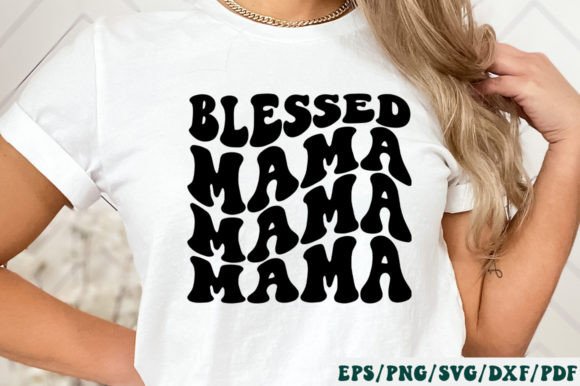
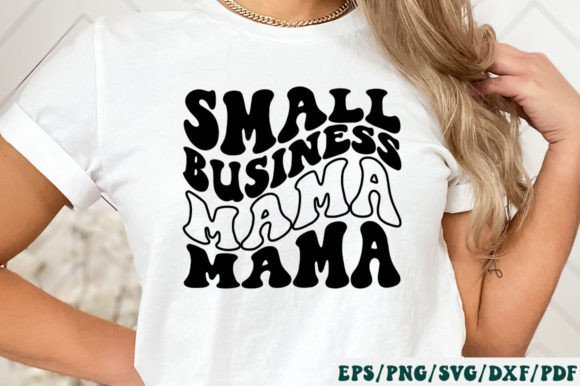
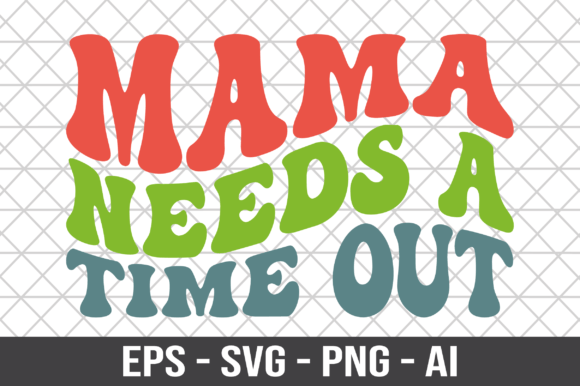
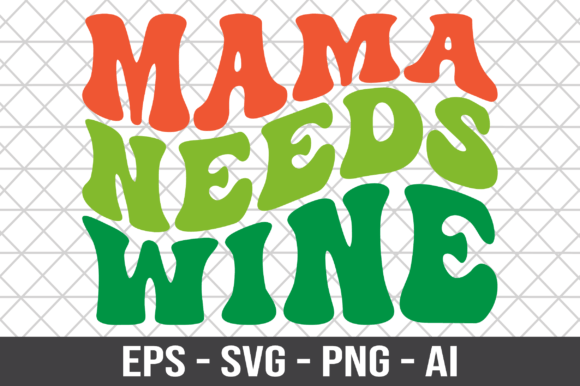
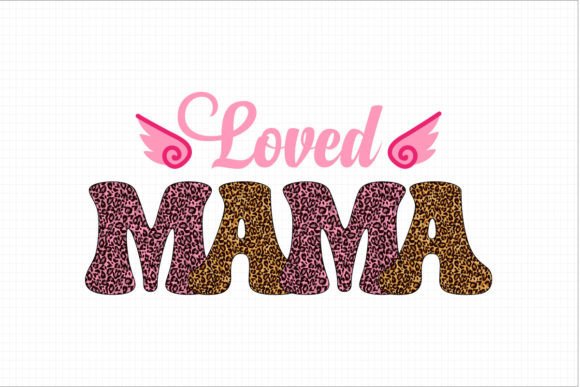
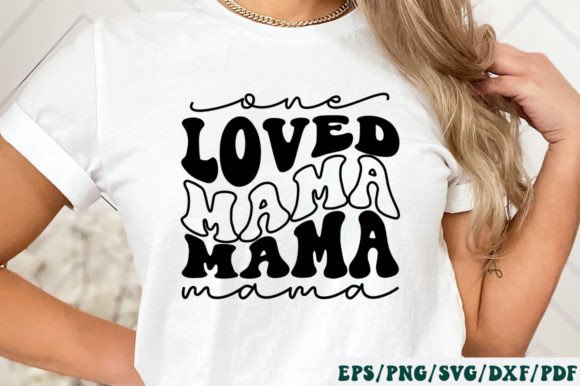
First impressions matter, both for you as the maker and for your eventual buyer. Opening this file, the retro vibe is unmistakable and charming. It has that gentle, nostalgic feel—not overly loud, but warm and sentimental. The layout is balanced, with a clear central focus. The level of detail appears thoughtfully composed; it isn’t overly dense or cluttered with tiny elements that might vanish under stitches. This visual personality screams heartfelt gift and boutique-ready product. It feels like it belongs on something special, not something generic.
Where This Design Naturally Belongs in Your Work
Picture this: you’re preparing a custom embroidered sweatshirt for a Mother’s Day order. You want it to feel personal, timeless, and high-quality. This is where the One Loved Mama Retro Svg concept shines. Its theme and aesthetic are perfectly suited for personalized gifts—think embroidered pillow covers for a nursery, a cherished kitchen towel, or a cozy blanket. For small shop merchandise, this design could easily become a signature item on tote bags or aprons, offering a classic look that appeals to a wide audience.
I also envision it working beautifully for baby clothes embroidery, perhaps as a small, sweet motif on a bodysuit, or as a larger, standout piece on a toddler’s hoodie. The retro styling adds a layer of character that plain text lacks. For craft fair products or Etsy listings, this design provides a strong, emotive visual that can elevate a simple garment into a storytelling product.
Navigating Real-Life Embroidery Situations
But how does it perform when the machine starts humming? A good digital embroidery file needs to translate cleanly into stitches. Based on the provided formats—SVG, DXF, PNG, EPS, and PDF—you have flexibility for different software and preview needs. The inclusion of SVG specifically for use with Cricut Design Space and Silhouette Designer Edition hints at its utility for applique design or creating complementary cut elements, which can be a fantastic mixed-media approach.
For standard machine embroidery, you’ll need to convert or use it as a guide. The key will be examining the stitch density in your embroidery software. The design’s apparent simplicity suggests it shouldn’t create overly dense satin stitch or fill stitch areas, which is good for fabric integrity, especially on lighter items like t-shirts or caps. However, on curved surfaces like caps or textured fabrics like some blankets, you’ll want to pay close attention to stabilizer choice to keep that clean retro shape intact.
Scenarios Where You Should Use Extra Care
No design is universally perfect for every scenario. With this one, my practical judgment leans toward being cautious with very small hoop sizes. If you try to shrink it down dramatically for, say, a tiny patch, some of the charm and clarity might get lost. Similarly, on dark fabric, the contrast needs to be planned; a test on scrap fabric with your chosen thread colors is non-negotiable.
Thin or stretchy fabric, like certain jersey knits, requires a lightweight stabilizer and possibly adjusting the stitch density to prevent puckering. For products destined for frequent washing—like kitchen towels or baby items—ensuring the stitch structure is secure and the thread colors are durable becomes part of the project’s success. Always test it in both black and white mockups to visualize its impact on light and dark backgrounds before committing to a client’s garment.
The Impact on Your Business and Your Customer
Beyond the technicalities, why does a file like this matter for your craft business or creative entrepreneurship? It affects visual appeal directly, which translates to stitching clarity on the finished product. A clean, well-executed embroidery piece using a coherent design like this boosts product value and customer trust. It makes your handmade presentation feel professional and intentional.
For brand consistency, if your small shop leans into vintage or heartfelt themes, this design could be a versatile asset. Its giftability is high—it’s immediately recognizable as a sentiment-focused piece, which engages buyers looking for more than just a decorative item. It can help turn a simple commercial embroidery project into a meaningful keepsake.
Essential Embroidery Designer Notes Before You Start
Before you hoope up that lovely tote bag or sweatshirt, here’s my routine checklist for a design like One Loved Mama Retro Svg:
- Test First: Always run a test on similar scrap fabric. Check for thread color contrast and any potential issues with small details.
- Inspect the Setup: In your software, review the implied stitch density and confirm the hoop size you plan to use is appropriate for the design’s scale.
- Consider the Background: How will it look on both light and dark fabric backgrounds? This might influence your thread palette.
- Stabilizer is Key: Match your stabilizer to the fabric texture and project type. This is crucial for maintaining that crisp retro look.
- License Check: The product description doesn’t specify licensing terms. It is your responsibility to confirm whether the design is licensed for personal use, commercial embroidery projects, or selling finished items. Never assume.
Remember, the digital embroidery file is just the blueprint. Your skill and preparation bring it to life. This design has a strong foundation for creating beautiful, sentimental pieces—from holiday embroidery gifts to everyday boutique products. Approach it with a practical eye, prepare your materials thoughtfully, and it can become a reliable and appealing part of your embroidery project repertoire.