A Dog Mom Embroidery File for Crafters and Entrepreneurs
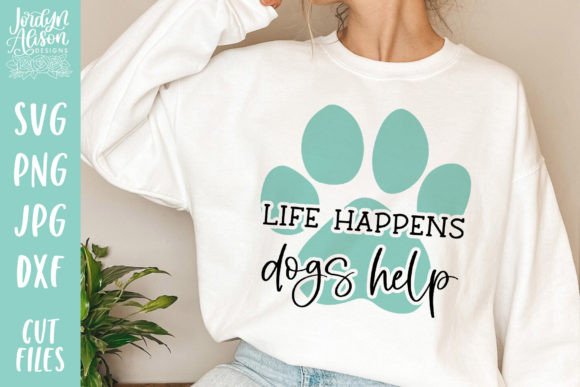
Let’s talk about this Life Happens Dogs Help SVG as if we’re about to load it into our embroidery machine for a real project. The title alone tells you the mood: it’s a warm, relatable, and slightly humorous nod to dog lovers. As a designer, my first impression is that this isn’t a hyper-detailed, serious portrait. It’s a graphic with personality—a clean, modern statement piece that feels friendly and approachable. The layout suggests a balanced, central design that would anchor nicely on a variety of products.
The Immediate Mood and Its Natural Project Fit
When you look at the included files—the SVG, PNG, JPG, and DXF—you’re getting a versatile digital embroidery file. The theme is universal among a huge community of pet owners. This embroidery design creates a mood of comfort and lighthearted resilience. It doesn’t scream "professional dog trainer"; it whispers "dog mom" with a smile. Visually, it’s likely a graphic with text, meaning its strength is in clear shapes rather than intricate shading. That personality tells me it naturally belongs to projects meant for connection and personal expression.
Imagine you’re preparing a custom embroidered tote bag for a client who runs a small dog grooming boutique. They want something to give to their best clients or to sell as small shop merchandise. This design immediately feels right. It’s not overly sentimental; it’s clever and shareable. On a sturdy canvas tote, the stitches would lay flat and bold, making a statement that’s both functional and personal. That’s the kind of real-life embroidery situation where this graphic shines.
Performance Across Apparel and Home Goods
So how does Life Happens Dogs Help SVG perform when the needle starts moving? On custom apparel like sweatshirts or t-shirts, a design like this benefits from simplicity. The expected clean lines translate well into satin stitches for text or bold outlines and fill stitches for larger shapes. It would hold up on a mid-weight cotton tee without feeling too dense.
For baby clothes or nursery decor, you’d likely scale it down. The charm works here as a sweet gift for a dog-loving family. On a embroidered patch, it’s ideal—the graphic nature makes it recognizable even at a smaller size, perfect for backpack or hat applications. For home goods like pillow covers or tea towels, it adds that conversational touch that makes a house feel like a home. As a holiday gift or personalized product, its appeal is direct and emotional.
For commercial embroidery projects, such as a line of caps for a pet supply store, the design offers good brand consistency if the store’s vibe is friendly and community-oriented. It’s not a generic logo; it’s a sentiment that builds customer trust and engagement because it feels authentic.
Where to Apply Careful Consideration
Every design has its sweet spots and its tricky territories. With a likely text-and-icon graphic like this, pay attention to small details, especially if the lettering is intricate. On very small hoop sizes, tiny serifs or thin connectors in the text might get lost or puff up with too much stitch density. Always test the design on scrap fabric first.
Textured fabrics like thick sweaters or stretchy fabric like performance polos require proper stabilizer to keep the clean shapes from distorting. On dark fabric, you need to think about thread color contrast—a white or bright fill might be perfect, but test it. Curved surfaces like caps can challenge the layout; you might need to adjust the orientation or size to fit the crown gracefully.
For products that need frequent washing, like kitchen towels or baby bibs, consider the stitch density. A very dense fill area might wear differently than a lighter running stitch outline. Inspect how the design condenses in the dense stitch areas; too much bulk can affect the fabric’s drape and longevity.
Impact on Visual Appeal and Business Value
From a maker’s perspective, the clarity of this embroidery design directly affects visual appeal and product value. A crisp, well-stitched version on a high-quality sweatshirt looks professional and valuable. It boosts handmade presentation because the sentiment is matched by clean execution.
For an Etsy seller or digital product seller, using this file to create printable mockups for your listings is smart. It shows potential buyers exactly the warm, giftability of the finished product. That recognition—"Oh, that’s so true for me!"—drives buyer engagement. It turns a simple graphic into a conversation starter on your product page.
When used in boutique branding or as part of a craft business line, it adds a layer of personality that pure logos sometimes lack. It tells a story, which is what modern consumers often seek in handmade products.
Practical Notes for the Embroidery Designer
Before you commit to a final project, here’s my realistic checklist. First, check thread color contrast. Run a sample in both light and dark thread on your typical fabric bases. Review stitch density by looking at the file previews; if areas seem extremely packed, you may need to adjust settings for lighter fabrics.
Confirm hoop size suitability. While the provided file formats work with machines, the physical stitch-out area matters. Inspect small details in the design—are there minuscule elements that might vanish or become problematic in stitching? I always test it in black and white mockups to see the form without color bias.
Always use proper stabilizer for your chosen fabric. This is non-negotiable for maintaining that clean graphic look. Crucially, check whether the design works for both personal and commercial projects by reviewing its license. The product description mentions its use for cutting machines and projects, but for selling finished items, you must confirm licensing before selling finished items or digital products. Don’t assume.
Finally, compare light and dark fabric backgrounds in your tests. A design that relies on positive space might need a different thread palette for a black denim jacket versus a white apron. This Life Happens Dogs Help SVG has the potential to be a versatile, high-impact design asset in your embroidery library, but its success hinges on these practical steps. Approach it as a professional, test it thoroughly, and it can become a reliable source for beautiful, meaningful finished products that truly resonate.