Be the Change You Wish to See: A Designer's Embroidery Review
A First Impression That Matters
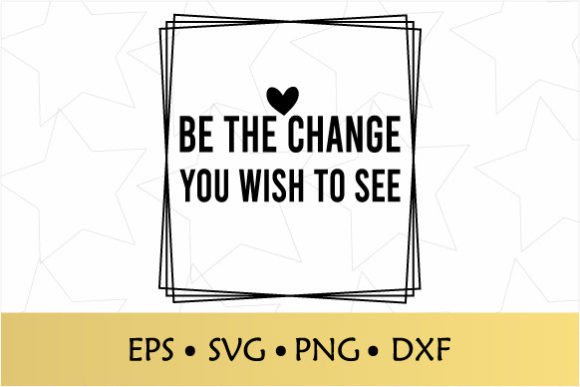
When I opened the Be the Change You Wish to See SVG file, my first thought wasn't about file formats; it was about mood. This design carries a quiet confidence. It’s not shouty or overly decorative. The typography has a gentle, flowing quality, with a layout that feels balanced and intentional. As a craft business owner looking for designs that resonate, I immediately felt this would speak to a thoughtful audience. It creates a mood of inspiration and personal responsibility, which is perfect for personalized gifts or products meant to uplift.
The Natural Habitat for This Embroidery File
In my mind, I started picturing where this machine embroidery design would live best. It naturally belongs on items meant for daily use and reflection. Imagine a beautifully embroidered tote bag – sturdy canvas carrying this message. Or a cozy, custom apparel sweatshirt, where the phrase sits comfortably on the left chest. I saw it on a linen apron for a maker’s kitchen, or a simple pillow cover in a reading nook. For a small shop product, like a baby embroidery item on a keepsake blanket, it adds a layer of meaning a parent would cherish. The design’s clean, uncluttered personality makes it a versatile design asset for crafters and Etsy sellers across many niches.
From Digital File to Stitched Reality
Let’s talk about the jump from screen to stitch. I recently used this SVG to prepare a embroidered patch for a client’s backpack. Here’s the practical reality. The vector nature (with the provided AI and EPS files) means you can resize it without losing clarity, which is crucial. But in embroidery, scaling affects stitch density and detail legibility. At a medium size for a tote bag design, the lettering converts beautifully to satin stitches, creating a clean, readable line. However, on a curved surface like a cap, you need to be mindful. The flowing script, if scaled too small, could lose definition in the detailed corners. This isn’t a flaw of the design; it’s a standard consideration for any embroidery file with elegant lettering.
Where It Should Be Used With Care
My experience tells me to note a few careful applications. On thin fabric like a delicate tee, the stitch density needed for this design might require a robust stabilizer to prevent puckering. On dark fabric, you’ll need to choose thread colors with high contrast – a bright white or a metallic thread could make it pop. I’d avoid very small hoop sizes for this one; you want the message to be legible from a few feet away, not just up close. Also, on highly textured fabrics like a woven blanket, test a section first to ensure the fill stitches for the letters sit cleanly without getting lost in the weave.
The Value It Adds to Your Finished Product
Beyond the stitches, this design affects your product’s soul. When I stitched it onto a linen kitchen towel as a holiday gift, the recipient’s reaction was telling. They valued the craftsmanship, but the message elevated it from a simple towel to a meaningful object. For a handmade product in your boutique branding, this kind of design builds customer trust. It shows you curate items with substance. In a commercial embroidery setting, like creating uniforms or team apparel, it fosters a sense of shared purpose. The visual appeal is clean and professional, enhancing the perceived quality of your work. For digital product sellers using it in printable mockups, it creates an instantly relatable visual personality that engages potential buyers.
A Designer’s Practical Notes Before You Hoop
Before you run this embroidery project, here are my grounded notes. Always, always test the design on scrap fabric first. Use the same fabric texture and weight as your final project. Check thread color contrast by looking at the design in a black and white mockup – does the silhouette hold up? Review stitch density at your chosen size; if it looks too dense for a lightweight garment, consider scaling up slightly. Confirm hoop size compatibility with your machine. Inspect small details in your embroidery software; the graceful curves of the lettering should translate to smooth stitch paths. Since the product description mentions multiple vector files (SVG, AI, EPS), it’s clearly meant for resizing, but I always advise to check whether the design works for both personal and commercial projects by confirming the licensing before selling finished items. This step is crucial for creative entrepreneurs and apparel decorators running a business.
The Final Verdict for Makers
The Be the Change You Wish to See SVG is a strong, sentiment-driven design asset. It’s not a flashy graphic; it’s a wearable, usable piece of inspiration. Its strength lies in its emotional resonance and clean execution. For hobbyists making a gift, it’s a wonderful choice. For small business owners and makers looking to add value to their craft fair products, it provides a message that sells beyond the fabric. My final, realistic thought: this design shines when matched with the right substrate and thoughtful execution. Pair it with high-quality materials and precise embroidery, and your finished product will carry a weight of meaning that customers and recipients will feel – and that’s the true mark of a good embroidery design.