Judging In My Dog Mom Era for Real Embroidery Projects
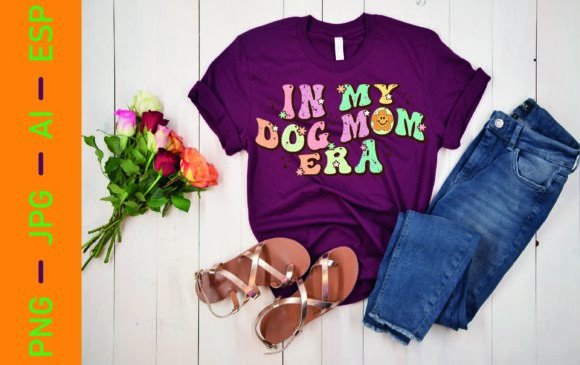
When a new embroidery file lands in my folder, I don’t just look at it on the screen. I imagine it stitched out. I picture it on a garment, a gift, or a product I’m selling. That’s the lens I’m using today for In My Dog Mom Era SVG PNG. This isn’t a spec sheet review; it’s a practical evaluation of how this design behaves when it moves from a digital graphic to a real, threaded project.
The Immediate Mood and Where It Belongs
First impression? It’s lighthearted and proud. The phrase “In My Dog Mom Era” carries a contemporary, affectionate vibe—it’s celebratory without being overly sentimental. As a embroidery design, its success hinges on that personality translating through thread. The layout feels balanced for a single-focus statement piece. It doesn’t scream for complex applique design or dense pictorial fills. Instead, it naturally belongs on items meant for expression: a cozy sweatshirt, a personal tote, a baby’s blanket for a proud pet parent, or a simple cap. It’s the kind of handmade product you’d gift to a friend who treasures their furry companion.
Thinking Through a Real Project: The Custom Tote Bag
Let’s get concrete. I’m considering this for a custom embroidered tote bag. My client is a small shop owner who sells personalized gifts to dog lovers. We need something clean, recognizable, and durable. Here’s my thought process.
The provided file specs—an editable vector EPS and a high-resolution PNG—are a strong starting point for machine embroidery design conversion. The 4500x5400 pixel PNG means the artwork detail is preserved, which is crucial when I’m setting stitch parameters. I’m thinking about stitch density for the bag’s canvas fabric. Too dense, and it becomes stiff; too light, and it loses clarity. The design’s simplicity is an advantage here. It allows me to use a confident satin stitch for the lettering and a simpler fill stitch or running stitch for any decorative elements, maintaining a soft, flexible finish on the bag.
Will it resonate? Absolutely. On a tote, it becomes a wearable declaration. It feels perfect for a craft business offering custom apparel and accessories. It’s not seasonal, so it works year-round as a small shop product.
Performance Across Typical Embroidery Applications
Beyond the tote, let’s scan the landscape. For sweatshirt embroidery, this design centered on the chest or on the sleeve would stitch out cleanly. The high-resolution source file helps ensure small curves in the lettering remain smooth. For baby embroidery on a onesie or a nursery blanket, its playful theme fits, but I’d consider scaling it appropriately to avoid overwhelming a small item.
As an embroidered patch, it would be straightforward to produce and sell, appealing to Etsy sellers and craft fair vendors. On a kitchen towel or apron, it leans into the “mom” aspect with a fun twist. For a holiday embroidery gift—say, a pillow cover for a dog owner’s birthday—it hits that personal note perfectly.
This versatility is a key strength for digital embroidery file users. From commercial embroidery on a batch of caps to a one-off personalized gift, the design’s theme has a broad, warm appeal. It also serves well for printable mockups in digital shops, as the clean PNG allows for crisp previews.
Where to Exercise Caution: The Designer’s Notes
No design is universally perfect. Here’s where I’d proceed with care.
On very small hoop sizes, the lettering details could become problematic. If you’re aiming for a tiny motif on a cap’s curved front or a delicate corner of a tea towel, test first. Fabric texture matters. On a thin, stretchy t-shirt, you’ll need a robust stabilizer to prevent the stitches from puckering the lightweight material. On dark fabric, thread color contrast is paramount; you might need to adjust your palette from the original JPG preview.
The design’s charm is its clarity. To preserve that, avoid overly dense stitch areas that could make it feel heavy. Also, for products destined for frequent washing—like baby items or kitchen linens—ensure your stitch choices and stabilizer are durable enough to maintain that crisp look over time.
Practical Steps Before You Stitch
My standard advice for a file like In My Dog Mom Era SVG PNG:
- Always stitch it out on scrap fabric first. Use the same material and hoop size as your final project.
- Review the stitch path in your software, paying attention to any tiny details or corners.
- Check thread color contrast on both light and dark background mockups.
- Confirm the licensing. The description states it can be used on T-shirts, mugs, bags, and more, which suggests broad application, but always verify the terms for commercial embroidery and resale of the finished product if that’s your goal.
- Remember, the JPG is for a quick preview. The true embroidery file will be built from the vector or PNG, so its performance depends on your conversion skills and machine settings.
The Impact on Your Work and Your Customer
Finally, what does using this design do for you? For creative entrepreneurs, it offers a ready-made design asset with high emotional appeal. That translates directly to customer trust and engagement. A well-embroidered item with this clear, friendly statement feels professional and intentional.
It enhances giftability. A homemade pillow or tote with this motif feels thoughtfully curated, not generic. For brand consistency, if your shop focuses on pet-themed goods, this design slots right in, strengthening your niche.
In essence, In My Dog Mom Era SVG PNG is a solid, versatile graphic for the Crafts and Graphics world. Its value isn’t just in the file size or format listing. Its value is in the real, stitched-out project—the smile it creates, the personal connection it fosters, and the clean, professional result it can help you achieve when handled with a designer’s practical eye.