Hydrangea SVG: A Designer’s Review for Embroidery Use
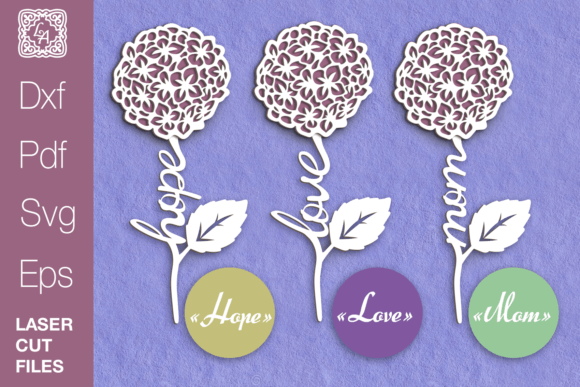
When I first opened the Hydrangea SVG Mom Hope Love design, my immediate thought wasn't about laser cutting. It was about embroidery. As a designer who translates digital files into stitched reality, I look for shapes that will sing when rendered in thread. This design has a particular charm. The graceful, clustered blooms and the delicate script of "Mom Hope Love" create a soft, sentimental mood. It feels classic and heartfelt—a visual personality that belongs on heirloom-quality items, personalized gifts, and products meant to convey warmth.
Where This Design Finds Its Stitched Home
Let’s picture a real scenario. A client requests a custom embroidered tote bag as a Mother’s Day gift. They want something elegant, not cartoonish, with a meaningful message. This hydrangea vector is a prime candidate. Its flowing lines and organic shapes translate beautifully into satin stitch outlines and fill stitches for the petals. The word layout nestles naturally within the flowers, offering a integrated, polished look rather than a slapped-on text element.
Beyond tote bags, the design’s scale and detail level make it versatile for embroidery projects like:
- Premium sweatshirts or t-shirts, where it becomes a centerpiece.
- Embroidered patches for blankets or bags, adding a touch of handmade charm.
- Pillow covers or tea towels for boutique home decor.
- Baby items like nursery decor or keepsake blankets, where "Hope" and "Love" resonate deeply.
- Aprons or kitchen linens as a heartfelt gift.
- Holiday gifts and wedding presents, where personalization elevates the item.
The theme inherently boosts product value and giftability. It doesn’t look generic; it looks considered. For an Etsy seller or small shop owner, that crafted presentation builds customer trust and engagement.
Performance in Real-Life Embroidery Situations
Now, the practical judgment. How does Hydrangea SVG Mom Hope Love perform when we move from screen to hoop? The overall shape is excellent. The curves are smooth, which helps the embroidery machine create clean satin stitches without jagged corners. The detail level is balanced—not so minimal that it feels empty, not so dense that it becomes a stitch-heavy slog. This is crucial for maintaining stitching clarity on finished products.
However, a designer’s eye must be realistic. The script lettering, while beautiful, requires attention. In a small hoop size, the thin lines of "Hope" and "Love" could become muddy if the stitch density is too high or the fabric texture is too coarse. This isn't a flaw of the design, but a practical consideration for its application.
Careful Application: Where to Tread Lightly
I would use this design carefully on:
- Very small hoop sizes for items like caps or baby clothes—the text might need simplifying.
- Textured or stretchy fabrics without proper stabilizer, where details can distort.
- Dark fabric backgrounds, where thread color contrast becomes paramount; a light-colored design on dark material needs precise thread choice to pop.
- Curved surfaces like caps, where the layout’s flat orientation might need slight adaptation.
- Products requiring frequent washing; intricate details can wear more quickly, so a robust stitch setup is key.
For commercial embroidery or production runs, these points affect consistency and professionalism.
Affecting Appeal and Business Sense
From a business perspective, this design is a strong digital design asset. Its aesthetic supports brand consistency for shops focusing on floral, sentimental, or family-oriented themes. It works well in printable mockups for online listings, showing customers a clear vision of the finished product. The recognition factor—hydrangeas are beloved flowers—adds an instant layer of appeal.
For craft business owners, the design’s versatility means one file can serve multiple product lines: apparel, home decor, gifts. That’s efficient. The handmade presentation it offers feels premium, which can justify a higher price point for the finished product.
A Designer’s Practical Notes Before Hooping
Before I stitch this onto a client’s item, my process would be:
- Test on scrap fabric first, using the same material as the final project.
- Check thread color contrast thoroughly, especially for the lettering.
- Review the stitch density in my embroidery software to ensure small details remain clear.
- Confirm the physical hoop size needed; does the design fit the intended product area?
- Inspect how the small details of the flower centers and script connectors will render.
- Test it in black and white mockups to see its form without color influence.
- Compare how it looks on both light and dark fabric backgrounds in simulation.
- Use proper stabilizer for the chosen fabric—this design deserves a clean finish.
- Crucially, check the provided license or terms to confirm it works for both personal and commercial projects before selling any embroidered items.
Since the product description mentions it’s a vector for laser cutting, I’d also verify the specific embroidery file formats available or ensure my software can cleanly convert the vector paths for embroidery use. Details like exact stitch count or machine compatibility aren’t provided here, so a designer must ascertain those independently.
Final Impression: A Design with Heart and Potential
Hydrangea SVG Mom Hope Love strikes me as a design with genuine heart. Its potential in the embroidery world is significant because it carries emotion. It’s not just a graphic; it’s a message wrapped in nature’s beauty. For designers, small business owners, and makers, it offers a foundation for creating products that feel personal and premium. With careful technical preparation—respecting fabric, scale, and stitch settings—this vector can transition from a digital file in the Crafts and Graphics category to a beautifully embroidered reality that customers and recipients will truly cherish.