Putting ‘Living Life by the Seams’ Through the Hoop
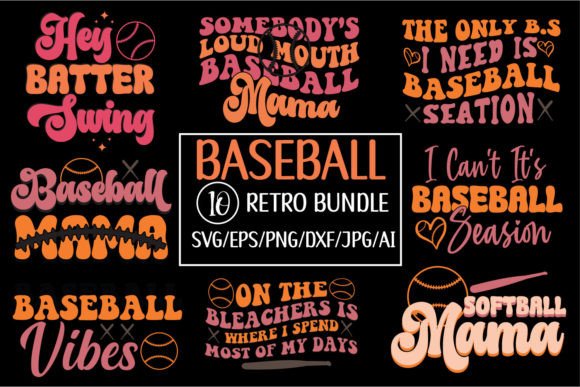
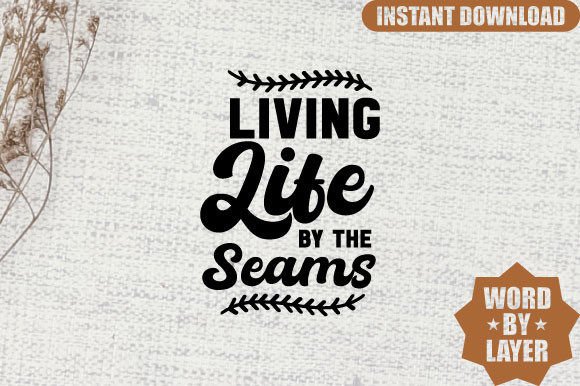
Every time I get a new embroidery design file, I don’t just look at it on screen. I imagine it stitched. I think about the fabric, the thread, and the person who will eventually wear or hold the finished piece. When I opened the ‘Living Life by the Seams’ SVG bundle, my mind immediately went to a custom sweatshirt order for a client—a baseball mom who wanted something personal but not overly flashy for the season.
The First Impression: A Confident, Casual Charm
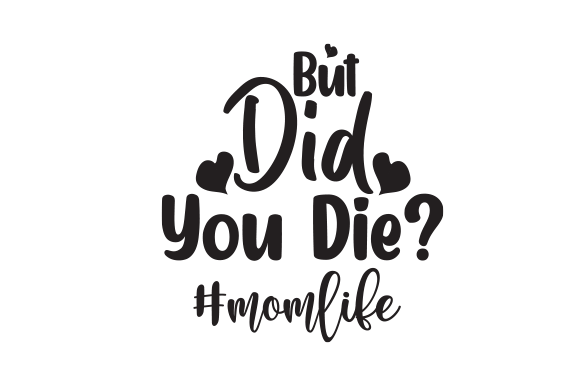
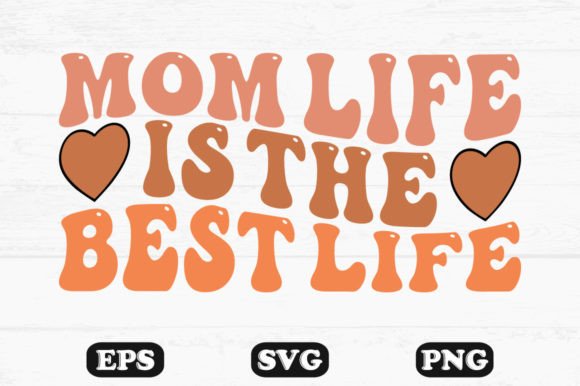
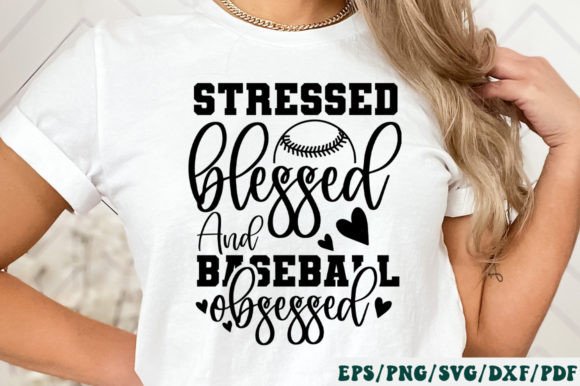
The mood here is supportive and playful, with a definite casual charm. The baseball theme is clear, but it’s presented with a lighthearted, layered approach. The visual personality feels confident and family-oriented, not aggressive or overly sporty. This isn’t a team logo; it’s a lifestyle statement. The layout and detail level suggest it belongs perfectly on relaxed apparel or home goods. My first thought was a soft, mid-weight sweatshirt or a sturdy canvas tote bag—items that carry a personal vibe daily.
Where This Design Shines in Real Projects
This bundle is a versatile ally for a craft business. Beyond the obvious sweatshirt or t-shirt, I pictured it on a simple apron for a team fundraiser, a cozy pillow cover for a baseball-themed nursery, or a clean kitchen towel as a fun gift for a coach’s spouse. For an Etsy seller, it could anchor a whole series of boutique products: embroidered caps, personalized baby blankets, or even simple patches for backpacks. The ‘Baseball Mom Life’ sentiment has instant recognition, which translates directly to buyer engagement. A customer sees it and immediately knows the product is for them or someone they love.
In commercial embroidery projects, like a small batch of tote bags for a local little league, the design offers good value. It’s likely not overly dense, so production time should be reasonable, and the clear thematic elements build customer trust—they get exactly what they expect. For digital product sellers using it in printable mockups or as part of larger design assets, the layered SVG files mean flexibility. You can adjust, combine, or highlight certain phrases to fit different product previews.
The Practical Considerations: Stitching It Right
Now, for the real work. This isn’t just a graphic; it’s an embroidery file that will become a physical, stitched object. Its success depends on how we handle it.
Where it should perform beautifully: On medium to heavier fabrics like sweatshirt fleece, denim, canvas totes, or quilted cotton for pillow covers. The lettering and motifs, if well-digitized, should render with clean stitch clarity on these surfaces. For holiday gifts or personalized products like a commemorative blanket, the design’s friendly tone enhances its giftability.
Where to proceed with caution
Always test first. With any design involving lettering and layered elements, be cautious on:
- Small hoop sizes: If you’re trying to fit the entire design on a baby item or a cap’s curved front, the smaller details might lose definition.
- Textured or stretchy fabrics: Thin tees or very stretchy athletic knits can distort satin stitches or fill stitches unless you use the correct, robust stabilizer.
- Dark fabric backgrounds: The contrast is key. You might need to adjust thread color choices—perhaps a bright white or a vibrant contrasting hue—to maintain the same visual appeal as it has on a light mockup.
- Items needing frequent washing: On something like an apron or kitchen towel, check the stitch density. Too dense can make the fabric stiff; too light might not withstand washes. A test on scrap fabric is non-negotiable.
The tiny lettering in some phrases, like “Supportive Mom,” needs a close inspection in your embroidery software before stitching. Ensure the running stitches or small satin stitches are clear and won’t blob together.
Turning a Digital File into a Professional Finished Product
The leap from a digital download to a handmade product that customers love hinges on a few embroidery designer notes. For ‘Living Life by the Seams,’ I’d run through this checklist:
- Test the design on a scrap of your intended fabric first. Check for thread color contrast and overall balance.
- Review the stitch density in your machine embroidery software. Does it look appropriate for your fabric type?
- Confirm your hoop size can accommodate the design without forcing you to shrink it beyond clarity.
- Don’t just look at colored mockups. Test it in black and white screen previews to see the pure structure of the fills and outlines.
- Compare how it looks on both light and dark fabric backgrounds in your mind—plan your thread palette accordingly.
- Crucially: Check the provided license. Since the description notes it’s for digital download only, confirm whether it’s for personal use, commercial embroidery projects, or both before selling your finished tote bags or baby clothes. This protects your craft business and ensures brand consistency.
Using proper stabilizer for the specific fabric—whether for a cap’s curved surface or a flat tea towel—will preserve the design’s integrity. This attention to detail directly impacts the handmade presentation and professionalism of your final item.
The Final Stitch: A Design That Feels Right
‘Living Life by the Seams’ isn’t a complex technical marvel; it’s a well-themed, emotionally resonant graphics bundle. Its value lies in its clear audience and adaptable nature. For the embroidery designer or small shop owner, it’s a reliable asset. It won’t shock you with innovation, but it will deliver what a specific customer segment wants: a recognizable, warm, and stylish statement. When stitched with care on the right product, it becomes more than a decoration—it becomes a personal emblem. That’s the real test of any embroidery design, and this one seems ready to pass.